

The development of off-road vehicles began with farmers using modified trucks for navigating rough terrain, leading to iconic models like the Jeep Willys. Today, diverse options cater to specific conditions and skill levels. Select Off-Road Vehicles require proper maintenance guides for successful adventures. Technological advancements like hydraulic lifts improve performance, while eco-friendly electric models reduce environmental impact. Responsible vehicle selection, regular maintenance, and innovative tools ensure optimal off-road experiences in remote landscapes. Iconic models represent freedom and exploration, fostering communities among enthusiasts. The future includes extreme terrain challenges with sustainable practices and affordable entry points.
Off-road vehicles have long been a symbol of adventure and resilience, playing a pivotal role in exploration, industry, and even military operations. Their robust design and capable performance allow them to navigate challenging terrains that conventional automobiles cannot. However, the history behind these iconic machines is often overlooked, with their development tracing back to innovations driven by necessity and fueled by the allure of the great outdoors. This article delves into the rich heritage of off-road vehicles, exploring key milestones, influential designers, and the technological advancements that have shaped them into the game-changers they are today.
- Evolution of Off-Road Vehicles: Early Beginnings
- Iconic Designs: Shaping the Off-Road Landscape
- Technological Advancements: Performance Boosts
- Cultural Impact and Future Trends
Evolution of Off-Road Vehicles: Early Beginnings
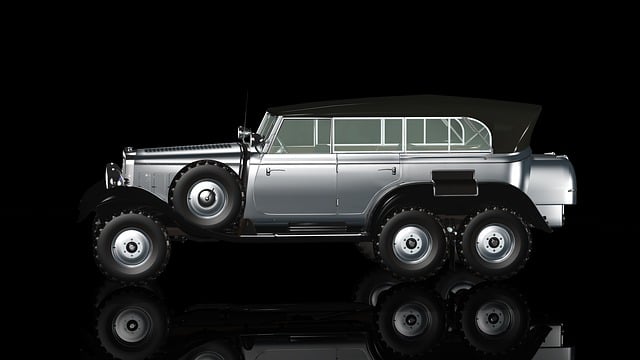
The evolution of off-road vehicles traces back to the early 20th century when rugged landscapes demanded specialized transportation. Initially, farmers and ranchers turned to modified farm trucks and pickup trucks for navigating treacherous terrain. These early models, though simple, laid the foundation for what would become a dedicated category of vehicles designed specifically for off-road adventures. The 1940s and 1950s saw the introduction of iconic all-wheel-drive SUVs like the Jeep Willys, which became synonymous with military operations and later gained immense popularity among civilians for its exceptional off-road capabilities.
As off-roading emerged as a recreational activity in the late 1960s and 1970s, vehicle manufacturers began to cater specifically to this growing market. The Jeep brand, now under the Chrysler Corporation, introduced the Wrangler, a direct descendant of the Willys, which continues to be one of the best rugged vehicles for sale today. This era also marked the rise of modified pickup trucks with elevated chassis and enhanced suspension systems, allowing them to conquer challenging terrains. These early innovations sparked a passion for off-road driving, leading many enthusiasts to explore remote areas and push their vehicles to the limit.
The search for the perfect off-road machine has led to a diverse range of options, from compact trucks to full-size SUVs. Today, when considering off-road vehicle rental services or purchasing one for sale, consumers have an extensive array of choices tailored to different skill levels and terrain preferences. For those facing harsh winter conditions, best off-road vehicles for snow are designed with advanced four-wheel drive systems and specialized tires to ensure traction and control on icy roads. Whether tackling a mountain trail or exploring sandy dunes, selecting the right vehicle is crucial, as proper off-road vehicle maintenance guides can attest.
Iconic Designs: Shaping the Off-Road Landscape

The evolution of off-road vehicles is a testament to human ingenuity and our insatiable curiosity to conquer even the most rugged terrains. Iconic designs have played a pivotal role in shaping the off-road landscape, influencing everything from functionality to aesthetics. Vehicles like the Jeep Wrangler, with its timeless design first introduced in 1940s, exemplify this trend. Its robust body, removable doors and roof, and four-wheel drive system made it an indispensable tool for military operations and eventually, a beloved recreational vehicle.
As off-road enthusiasts continued to push boundaries, the industry responded with innovative designs catering to diverse needs. The rise of all-terrain vehicles (ATVs) in the late 20th century showcased this diversification. These compact, agile machines were engineered for navigation through swamps, forests, and rocky trails, with models like the Polaris RZR becoming household names among off-roaders. Today, ATV training classes are readily available, ensuring responsible use and enhancing safety on these powerful machines.
Camera technology has also kept pace with this evolution, with off-road enthusiasts demanding equipment that can capture the raw beauty of their adventures. High-quality action cameras, designed to withstand extreme conditions, have become essential tools for documenting exhilarating off-road experiences. When it comes to powering these and other off-road vehicles, proper battery maintenance is crucial. The longest-lasting off-road batteries, crafted with advanced technology, ensure continuous performance during extended journeys or remote expeditions. Prioritizing regular maintenance, including battery checks, extends the life of these critical components, ensuring a seamless off-road adventure every time.
Technological Advancements: Performance Boosts
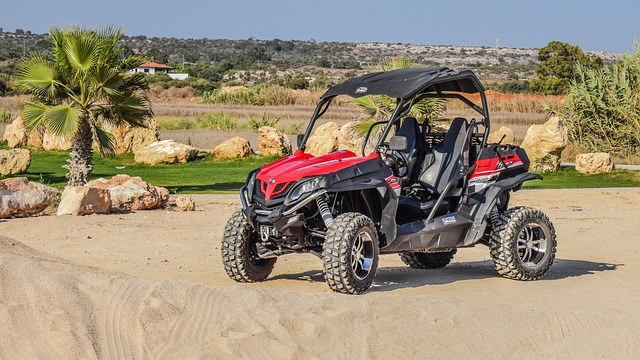
The history of off-road vehicles is a testament to humanity’s insatiable curiosity and drive to conquer challenging terrains. As these machines evolved, so too did their technological advancements, leading to remarkable performance boosts that pushed boundaries. From the rugged Land Rover Defender, which has navigated some of the world’s most demanding landscapes, to the modern electric off-roaders that offer eco-friendly exploration, each era has left its mark on this dynamic segment.
One significant evolution in select off-road vehicles is the integration of hydraulic lifts, transforming maintenance and customization capabilities. These powerful systems allow for precise adjustments, facilitating the installation of larger tires and suspension upgrades—crucial for tackling extreme terrains like deep snow or mud. For instance, many off-road enthusiasts now opt for best off-road vehicles for snow, choosing models with advanced four-wheel drive systems and enhanced traction controls to conquer winter’s wrath. Moreover, understanding how to fix a stuck off-road vehicle is an invaluable skill, often relying on these hydraulic lifts to free the machine while ensuring minimal damage.
Eco-conscious adventurers now also have access to green off-road vehicles, powered by electric motors or hybrid technologies. These innovations not only reduce environmental impact but also offer smoother rides and quieter operations, enhancing the overall off-road experience. Maintaining these advanced machines requires specific off-road vehicle maintenance guides that cater to their unique needs. For instance, regular checks of battery health and efficient energy distribution are essential for extended exploration without range anxiety. By leveraging tools like hydraulic lifts, following tailored maintenance routines, and selecting appropriate vehicles for diverse conditions, off-road enthusiasts can ensure optimal performance and safety while exploring the most remote and challenging landscapes.
Cultural Impact and Future Trends

The cultural impact of select off-road vehicles is a fascinating narrative that transcends their mechanical prowess. These machines have become more than just transportation; they represent freedom, adventure, and exploration in the face of challenging terrain. Iconic models like the Jeep Wrangler and Land Rover Defender have carved their way into the collective consciousness, symbolizing ruggedness and capability. Their enduring popularity can be attributed to not only their exceptional off-road abilities but also their ability to foster a sense of community among enthusiasts.
As we look towards the future, the landscape of off-roading is evolving. The demand for best off-road vehicles capable of tackling extreme terrain continues to grow, driving innovation in vehicle design and technology. Manufacturers are increasingly focusing on developing top-secret off-roading spots that push the boundaries of what’s possible, providing adventurers with fresh challenges and unforgettable experiences. For those new to the sport, affordable options like the Toyota RAV4 or Ford Escape offer entry points into the world of off-roading without breaking the bank. Reputable off-road vehicle dealers play a crucial role in this process, offering expert advice and ensuring buyers find models suited to their needs and skill levels.
Trends suggest a move towards more sustainable and eco-friendly off-road vehicles, reflecting a growing awareness of environmental stewardship. Electric power trains are increasingly common, with companies like Tesla exploring the potential for zero-emission off-roading. This shift not only addresses environmental concerns but also opens up new possibilities for silent, smoke-free adventures into remote locations. As off-roading continues to evolve, staying informed about these trends will empower enthusiasts to make responsible choices while enjoying their passion for exploration.
The history of iconic off-road vehicles is a captivating narrative that reveals how design innovations and technological leaps have shaped the automotive landscape. By tracing the evolution from early beginnings, we understand the relentless pursuit of strength, durability, and versatility that defines these machines. Iconic designs, such as those explored in this article, have left an indelible mark on off-road culture, inspiring generations of adventurers and influencing vehicle architecture.
Key takeaways include the importance of robust construction, advanced four-wheel drive systems, and adaptable suspension for conquering diverse terrains. Technological advancements have consistently boosted performance, allowing Select Off-Road Vehicles to navigate treacherous paths with ease. Furthermore, these vehicles’ cultural impact transcends their functional purpose, becoming symbols of freedom, exploration, and the human spirit’s resilience.
Looking ahead, future trends suggest continued emphasis on eco-friendly technologies, improved safety features, and enhanced connectivity. By understanding the rich history and current dynamics, off-road enthusiasts can appreciate the art and science behind these remarkable machines and make informed decisions when selecting their next adventure companion from the ever-evolving lineup of off-road vehicles.