Select Off-Road Vehicles: An In-Depth Exploration
Introduction
In the realm of transportation, off-road vehicles stand as a testament to human ingenuity, designed to conquer terrains that conventional cars cannot navigate. 'Select Off-Road Vehicles' (SOVs) is a niche yet pivotal category within this sector, catering to specific demands for rugged performance and versatility. This article aims to provide an extensive guide, delving into every facet of SOVs, from their technical intricacies to global impacts and future prospects. By the end, readers will grasp the significance of these vehicles and their role in shaping the transportation landscape.
Understanding Select Off-Road Vehicles
Definition and Key Components
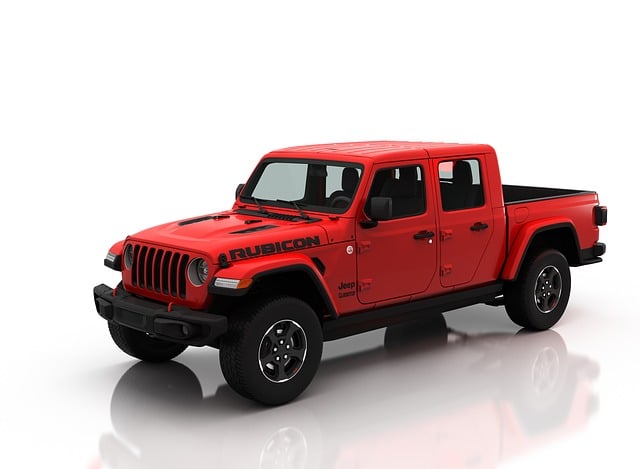
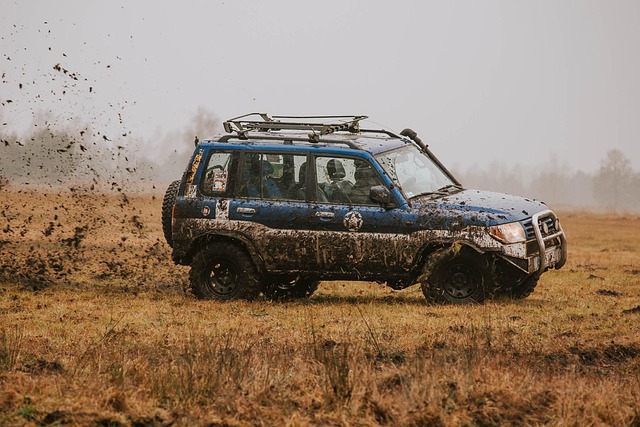
Select Off-Road Vehicles are specialized motor vehicles engineered for off-highway use, capable of traversing diverse terrains such as mud, sand, rocks, and steep inclines. They are characterized by their robust construction, powerful engines, advanced four-wheel drive systems, and elevated ground clearance. SOVs are designed to offer both passenger comfort and the ability to handle extreme conditions, making them popular choices for outdoor enthusiasts, rescue operations, and military applications.
Essential components of a SOV include:
-
Engine: Powerful and durable engines, often diesel or gasoline-powered, provide the necessary torque for uphill climbs and rough terrain navigation.
-
Four-Wheel Drive (4WD) System: Advanced 4WD mechanisms ensure optimal traction and control in various driving conditions. These systems can be manual or automatic, with low-range gear ratios for slow, heavy-duty tasks.
-
Suspension: Robust suspension systems absorb impacts and maintain stability over uneven terrain, ensuring a smoother ride for occupants.
-
Ground Clearance: Elevated chassis and body design provide ample clearance, allowing the vehicle to overcome obstacles without bottoming out.
-
Tires: Specialized tires with deep treads and robust construction offer superior traction on diverse surfaces.
Historical Perspective
The concept of off-road vehicles has evolved significantly over the years, reflecting changing technological capabilities and societal demands. Early forays into off-roading were largely focused on military applications, with vehicles designed to support troops in challenging terrains during World War II. These early models laid the foundation for modern SOVs.
In the 1960s and 1970s, the advent of gasoline-powered engines and improved transmission systems led to the development of more accessible off-road vehicles. Iconic models like the Jeep Wrangler and Land Rover Defender gained popularity among outdoor enthusiasts and adventurers. The 1980s saw further advancements in comfort features and on-road performance, making these vehicles more versatile for daily use while retaining their off-road capabilities.
Today, SOVs have evolved to incorporate advanced electronics, driver assistance systems, and luxurious interiors, catering to a diverse range of users from farmers and construction workers to outdoor recreation enthusiasts and urban commuters seeking ruggedness and versatility.
Global Impact and Trends
Select Off-Road Vehicles have a profound global impact, with their unique capabilities meeting diverse regional needs. Their influence is particularly notable in regions characterized by rugged terrain, limited infrastructure, or extreme climatic conditions:
-
North America: The United States and Canada are significant markets for SOVs, driven by a culture of outdoor recreation and the need for vehicles capable of handling harsh winters and remote areas. Popular models include Jeep Wranglers, Ford F-150 Raptor, and Toyota 4Runner.
-
Europe: European countries with mountainous landscapes and rural populations, such as Germany, Sweden, and Switzerland, have a strong demand for SOVs. Manufacturers like Mercedes-Benz (G-Class), Volvo (XC90), and Land Rover (Range Rover) offer premium off-road vehicles tailored to local conditions.
-
Asia: Rapidly developing economies in Asia, including China and India, are witnessing increased adoption of SOVs due to rising disposable incomes and a growing middle class. Local manufacturers like Chery, Great Wall Motors, and Mahindra & Mahindra are producing affordable yet capable off-roaders.
-
Emerging Markets: Regions with challenging terrains, such as Africa and parts of South America, rely heavily on SOVs for transportation, agriculture, and logistics. Models like the Toyota Land Cruiser, Nissan Patrol, and local alternatives are popular choices for their ruggedness and reliability.
Global trends indicate a growing demand for more advanced, technology-driven SOVs, with an emphasis on enhanced safety features, connectivity, and off-road performance. The rise of electric and hybrid powertrains is also gaining traction, driven by environmental concerns and evolving consumer preferences.
Economic Considerations
The market dynamics surrounding Select Off-Road Vehicles are influenced by various economic factors:
-
Demand and Supply: Global demand for SOVs is influenced by population growth, urbanization, and rising disposable incomes. Regions with vast rural areas or challenging terrains drive the need for these vehicles. Manufacturers in key markets, such as North America, Europe, and Asia, respond to this demand by producing a diverse range of models tailored to local preferences.
-
Market Segmentation: SOV manufacturers often segment their markets based on vehicle size, performance capabilities, and target demographics. Premium brands focus on luxury, technology, and advanced safety features, while budget-oriented models cater to price-conscious buyers. This segmentation allows for targeted marketing strategies and product development.
-
Investment Patterns: The production of SOVs involves significant capital investment in research, development, and manufacturing facilities. Companies like Jeep, Land Rover, Toyota, and Ford have established dedicated off-road vehicle divisions, reflecting the strategic importance they attribute to this segment. These investments drive economic growth and create employment opportunities in local communities.
-
Economic Impact: SOVs contribute to regional economies through direct sales, spare parts supply chains, maintenance services, and tourism related to off-road adventures and outdoor activities. Their versatility makes them valuable assets for various industries, including agriculture, construction, mining, and emergency services, further bolstering economic activity.
Technological Advancements
Technological innovations have played a pivotal role in enhancing the capabilities and appeal of Select Off-Road Vehicles:
-
Electric and Hybrid Powertrains: The introduction of electric (EV) and hybrid vehicles is transforming the SOV market. These powertrains offer improved fuel efficiency, reduced emissions, and quieter operation. Manufacturers like Tesla (Model X), Rivian (R1T), and Ford (F-150 Lightning) are leading the way with their advanced electric off-roaders, appealing to environmentally conscious consumers and those seeking cutting-edge technology.
-
Advanced Driver Assistance Systems (ADAS): Modern SOVs are equipped with ADAS features such as adaptive cruise control, lane-keeping assist, blind-spot monitoring, and automatic emergency braking. These systems enhance safety, reduce driver workload, and improve overall driving experience, especially on long off-road excursions.
-
Connectivity and Infotainment: In-vehicle infotainment systems have evolved to offer advanced connectivity options, including real-time navigation, smartphone integration (Apple CarPlay, Android Auto), and over-the-air software updates. These features provide entertainment, information, and vehicle diagnostics during journeys, enhancing the overall owner experience.
-
Autonomous Technology: While full autonomy is still in its early stages, some SOVs are equipped with semi-autonomous driving modes, allowing for hands-off control in certain conditions. This technology has potential applications in dangerous or challenging terrains, improving safety and efficiency.
-
Lightweight Materials: The use of lightweight materials like aluminum and advanced composites reduces vehicle weight, resulting in improved fuel efficiency and enhanced off-road performance. These materials also contribute to better handling and reduced environmental impact.
Policy and Regulation
The development and operation of Select Off-Road Vehicles are subject to various policies and regulations, which vary across regions:
-
Safety Standards: All major markets have stringent safety regulations for SOVs, ensuring they meet specific crash test standards, structural integrity requirements, and emission norms. These standards ensure the safety of occupants and minimize environmental impact.
-
Emission Controls: Governments worldwide are implementing stricter emission regulations to combat air pollution. SOV manufacturers must adhere to these standards, leading to advancements in engine technology and the adoption of cleaner powertrains.
-
Environmental Impact Assessment: In regions with sensitive ecosystems, off-road vehicles may require permits or face restrictions on their use to prevent environmental damage. Manufacturers and users must be aware of local regulations to ensure sustainable practices.
-
Road Tax and Incentives: Some governments offer tax incentives or subsidies for the purchase of eco-friendly SOVs, encouraging the adoption of cleaner technologies. Road taxes and fees may also vary based on vehicle type, size, and emissions, influencing consumer choices.
-
Import and Export Regulations: International trade in SOVs is subject to customs duties, import quotas, and specific regulations, especially for models not manufactured locally. These policies impact the availability and pricing of imported vehicles.
Challenges and Criticisms
Despite their versatility and popularity, Select Off-Road Vehicles face several challenges and criticisms:
-
Environmental Concerns: SOVs, particularly those with traditional gasoline engines, contribute to air pollution and greenhouse gas emissions. This has led to increased scrutiny and calls for more environmentally friendly options, prompting the development of electric and hybrid powertrains.
-
Noise Pollution: The powerful engines and off-road capabilities of SOVs can result in louder operating sounds, contributing to noise pollution in urban areas and sensitive ecosystems. Efforts are being made to balance performance with quieter operation through technological advancements.
-
Safety Risks: Off-road driving can be hazardous, and inexperienced drivers may face risks on challenging terrains. Proper training, safety equipment, and advanced driver assistance systems (ADAS) are crucial to mitigate these risks.
-
High Maintenance Costs: SOVs often require specialized maintenance due to their unique features and demanding use cases. This can result in higher servicing costs compared to conventional vehicles, which may deter some buyers.
-
Limited Access to Remote Areas: While SOVs excel at reaching remote locations, they do not necessarily provide easy access for returning. Infrastructure considerations and the availability of resupply and rescue services are essential for off-road adventures.
Actionable Solutions and Strategies
To address these challenges, several strategies can be implemented:
-
Promote Electric and Hybrid SOVs: Encourage the development and adoption of electric and hybrid powertrains to reduce environmental impact and noise pollution. Governments can offer incentives and invest in charging infrastructure to support this transition.
-
Enhance Safety Standards: Stricter safety regulations, advanced driver training programs, and the widespread adoption of ADAS can significantly improve off-road safety. Manufacturers should prioritize these features in their designs.
-
Provide Maintenance Education: Educate owners about proper maintenance routines specific to SOVs, empowering them to perform basic servicing and prolonging vehicle lifespan.
-
Develop Resilient Infrastructure: Invest in infrastructure that supports off-road access while minimizing environmental impact, including designated trails, rest areas, and rescue facilities.
Case Studies: Successful Applications
1. Search and Rescue Operations in Mountainous Regions
In countries with mountainous terrains, SOVs play a critical role in search and rescue (SAR) missions. For example, the Swiss Air Force employs modified Toyota Land Cruisers equipped with specialized communication gear, search lights, and off-road capabilities to access remote areas quickly during emergencies. These vehicles enable efficient SAR operations, saving lives and reducing response times.
2. Agricultural Applications in Africa
In rural Africa, where roads are often poor or non-existent, SOVs like the Toyota Land Cruiser and Nissan Patrol are indispensable for farmers. These vehicles enable them to transport produce, livestock, and supplies over long distances, improving agricultural productivity and local economies. Customized configurations, such as open-bed setups with reinforced flooring, cater to specific farming needs.
3. Outdoor Adventure Tourism in Australia
Australia's vast outback is a popular destination for off-road adventures. Tour operators utilize modified SOVs to take tourists on guided expeditions through remote landscapes. These vehicles are equipped with specialized navigation systems, additional fuel reserves, and medical kits to ensure safe and memorable experiences. This industry contributes significantly to local tourism and economic development.
Future Prospects
The future of Select Off-Road Vehicles looks promising, driven by technological advancements and evolving market demands:
-
Electric Revolution: The rise of electric SOVs is expected to gain momentum, with manufacturers investing heavily in developing advanced battery technologies and improved charging infrastructure. This shift will address environmental concerns and enhance sustainability in the sector.
-
Autonomous Off-Roading: Semi-autonomous and fully autonomous off-road capabilities will become more prevalent, improving safety and efficiency. These technologies will be particularly valuable in challenging terrains and remote areas where human drivers may face risks.
-
Connected Vehicles: SOVs will increasingly be connected to the internet, enabling over-the-air software updates, real-time diagnostics, and advanced remote services. This connectivity will enhance vehicle performance, convenience, and safety.
-
Personalized Experiences: With advancements in infotainment systems and driver assistance technologies, SOV owners will have more control over their driving experiences. Customizable settings, voice commands, and personalized navigation will become standard features.
-
Global Market Expansion: Emerging markets, especially in Asia and South America, are expected to witness significant growth in SOV demand. Local manufacturers will play a crucial role in catering to these markets with affordable, capable vehicles tailored to regional needs.
Conclusion
Select Off-Road Vehicles represent the perfect fusion of technology, ruggedness, and versatility, catering to diverse global demands. From their historical evolution to modern technological advancements, SOVs have proven their worth in countless applications, from outdoor recreation to critical rescue operations and agricultural tasks. As the industry looks ahead, electric powertrains, autonomous capabilities, and enhanced connectivity will shape its future, addressing environmental concerns while offering unprecedented levels of performance and convenience.
FAQ Section
-
Q: Are SOVs suitable for everyday driving?
A: While SOVs are designed for off-road prowess, many modern models also excel on regular roads. They can be suitable for everyday use, especially in regions with challenging terrain or limited infrastructure. However, they may not match conventional cars in terms of fuel efficiency and urban maneuverability.
-
Q: How do I choose the right SOV for my needs?
A: Consider factors like intended use (recreation, work, rescue), terrain type, passenger capacity, and budget. Research different models, read reviews, and test drive options to find a vehicle that aligns with your requirements and driving style.
-
Q: Are there any environmental benefits to using SOVs?
A: When powered by electric or hybrid engines, SOVs can offer reduced environmental impact compared to traditional gasoline models. Proper disposal and recycling of batteries and other components are essential for minimizing their ecological footprint.
-
Q: How do I maintain my SOV properly?
A: Follow the manufacturer's maintenance schedule, including regular oil changes, tire rotations, and underbody inspections. Keep detailed service records, use genuine parts, and consult specialized mechanics experienced with off-road vehicles for complex repairs.
-
Q: Can SOVs be driven in any country or region?
A: Regulations vary globally. Some countries have strict requirements for importing and registering SOVs, while others may have specific off-road driving laws. Always check local regulations and obtain necessary permits before operating a SOV in a new area.
July 2, 2026
Select Off-Road Vehicles
Planning an off-road adventure requires selecting the right Select Off-Road Vehicles tailored to terrain, skill level, and intended use. Key features include powerful engines, robust axles, and high g.......
Read more →