
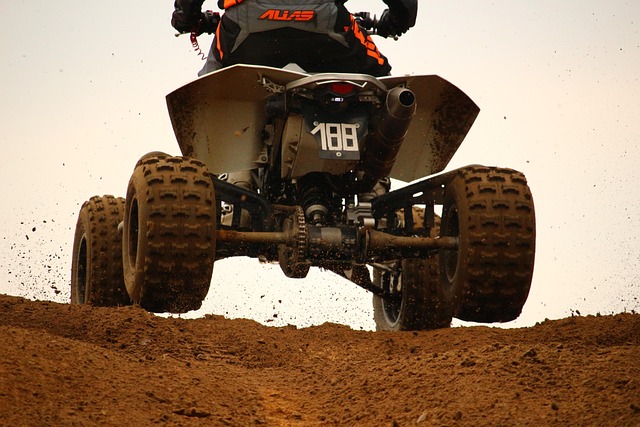
When selecting high-performance ATVs for racing or off-road adventures, prioritize power, maneuverability, and safety. Look for durable construction, advanced suspension systems, and ground clearance for rough terrain. Industry leaders like Polaris and Bombardier offer innovative designs, while navigation apps enhance safety. Choose vehicles with anti-lock braking, traction control, and robust batteries for optimal performance. Regular maintenance, including suspension care, ensures longevity in diverse conditions, especially snow. Select Off-Road Vehicles naturally by considering these factors for a safe and competitive experience.
The thrill of high-octane off-road racing demands specialized machinery, making the comparison of top-tier ATVs a crucial task for enthusiasts and professionals alike. Off-Road Vehicles (ORVs) are not just toys; they’re engineered to conquer rugged terrain and push performance boundaries. This article provides an in-depth analysis, comparing recent models designed exclusively for intense racing conditions. We’ll dissect their engines, suspension systems, traction controls, and ergonomic features, helping you navigate the complex world of high-performance ORVs. By the end, readers will possess the knowledge to select the ultimate race-ready machine tailored to their needs.
- Analyze Performance Features: Horsepower, Speed, and Maneuverability
- Evaluate Durability and Design for Off-Road Racing
- Assess Safety Standards and Rider Comfort in Extreme Conditions
Analyze Performance Features: Horsepower, Speed, and Maneuverability
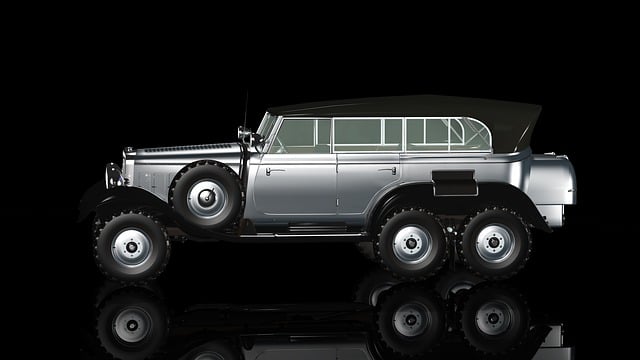
When comparing high-performance ATVs for intense racing, one must delve into the core performance features that define their on-track prowess. At the forefront is horsepower, a measure of an ATV’s raw power and acceleration. Top-tier models boast engines producing over 100 horsepower, with some advanced units reaching peaks exceeding 120 HP. These figures translate to breathtaking accelerations, enabling riders to achieve rapid starts and maintain high speeds during races.
Speed is another critical aspect, with the fastest ATVs capable of surpassing 60 mph (97 km/h) and reaching peak velocities in under 4 seconds from a standstill. However, speed alone doesn’t guarantee success; maneuverability plays an equally vital role. Agile ATVs with responsive steering and precision handling allow riders to navigate through tight corners and challenging terrain with ease. For instance, models featuring advanced suspension systems and lightweight construction can change direction swiftly, providing an edge in competitive racing environments.
Safe off-roading practices are paramount, even when comparing high-performance vehicles. Riders should consider the ATV’s ground clearance, which dictates its ability to traverse rough terrain without bottoming out. Additionally, off-road vehicle rental services offer a practical way for enthusiasts to experience these machines while ensuring proper maintenance and safety. When selecting an off-road vehicle, whether through purchase or rental, keeping an eye on industry-leading brands known for their quality and safety features is advisable. Moreover, exploring off-road SUV options can provide versatile capabilities for both racing and outdoor adventures.
Evaluate Durability and Design for Off-Road Racing
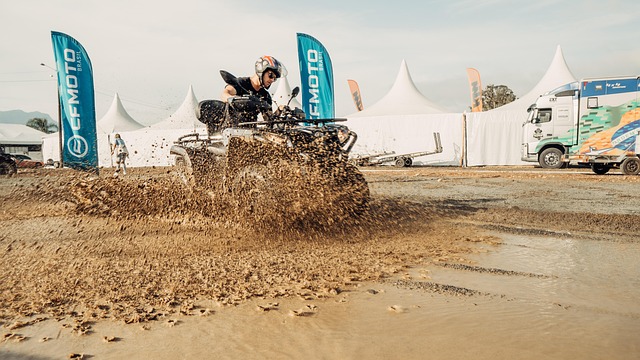
When comparing high-performance ATVs for intense off-road racing, durability and design are paramount. Top-tier machines aren’t just about raw power; they must withstand the rigors of rough terrain and demanding riders. Look beyond sleek aesthetics to robust construction, with framed designs that offer superior strength-to-weight ratios. Reinforced suspension systems and articulated axes mimic nature’s flexibility, ensuring smooth navigation over uneven surfaces.
Consider the role of off-road vehicle rental services and off-road navigation systems in enhancing your racing experience. While a rented ATV may not be your ideal companion for consistent competition, it provides an excellent opportunity to test different models and brands before committing to a purchase. Advanced navigation apps offer real-time tracking and waypoint setting, enabling safer exploration of unfamiliar trails. Adopting safe off-roading practices is also vital; this includes pre-trip planning using these tools to anticipate challenges, adhering to local regulations, and always wearing appropriate protective gear.
Manufacturers like Polaris and Bombardier (BRP) stand out for their commitment to innovation in both design and durability. Polaris’ Alpha series, for instance, boasts a lightweight yet durable aluminum frame that enhances maneuverability while withstanding the impacts of intense racing. BRP’s OS (On-Demand) suspension system, featured in their Renegade models, adapts to terrain changes in real time, ensuring optimal control. These examples highlight how modern off-road vehicles are engineered not just for speed, but also for longevity and safety when practiced responsibly.
Assess Safety Standards and Rider Comfort in Extreme Conditions
When comparing high-performance ATVs for intense racing, safety standards and rider comfort in extreme conditions are non-negotiable considerations. Top-rated off-road motorcycles are designed with advanced features like anti-lock braking systems (ABS) and traction control to ensure stability during high-speed maneuvers. For instance, the Yamaha YFM850R Raptor boasts a powerful engine and a sophisticated suspension system, complemented by ABS and advanced electronics for improved safety. These vehicles also prioritize rider comfort through ergonomic designs and durable components, enabling athletes to focus on performance without physical fatigue hindering their abilities.
Selecting off-road vehicles involves careful consideration of their longest-lasting off-road batteries, which are crucial for sustained performance in challenging environments. Vehicles equipped with robust batteries can operate seamlessly through extended periods of intense racing, ensuring consistent power delivery. Regular off-road vehicle maintenance guides are essential resources for preserving the integrity and longevity of these machines. For example, proper care of suspension components and regular lubrication can significantly extend the lifespan of an ATV or motorcycle, enhancing its performance in snowy conditions where traction is paramount.
In extreme weather conditions, such as heavy snowfall, the best off-road vehicles are those designed with specialized features for enhanced grip and stability. Snow-friendly ATVs often incorporate wider tracks and high-floatation tires that distribute weight more efficiently across the terrain. These adaptations ensure that riders can navigate through deep snow without losing control or becoming stranded. Ultimately, when comparing high-performance ATVs, prioritizing safety standards and rider comfort in extreme conditions ensures a competitive edge while mitigating risks associated with intense off-road racing.
By meticulously analyzing performance features, durability, design, safety standards, and rider comfort, this article has equipped readers with a comprehensive framework for selecting high-performance ATVs tailored to intense racing. Key insights include prioritizing horsepower, speed, and maneuverability while ensuring robust construction designed specifically for off-road conditions. Safety cannot be compromised, necessitating adherence to stringent standards and focusing on rider comfort to endure extreme racing environments. Ultimately, successful selection of Off-Road Vehicles naturally translates into enhanced performance, durability, and safety during intense races.