

Restoring vintage off-road vehicles requires meticulous selection based on goals, safety considerations, and historical context. Evaluate mechanical soundness, assess era-specific safety features, and prioritize long-lasting components. Restoration involves thorough inspection, demolition, replacement with authentic parts, testing, and final road trials. Focus on skilled selection of candidates like Jeep Wranglers or Ford Broncos for successful, safe, and authentic off-road vehicle restoration.
The world of vintage off-road vehicles offers a unique blend of passion, history, and craftsmanship. Restoring these classics not only preserves a piece of automotive heritage but also provides an immersive hobby for enthusiasts. However, the challenge lies in sourcing quality vehicles suitable for restoration projects. This article serves as a comprehensive guide for those seeking to embark on this exhilarating journey. We’ll explore strategies to select the perfect vintage off-road machines, ensuring you lay your hands on authentic gems ready to undergo remarkable metamorphosis.
- Understanding Vintage Off-Road Vehicles: A Historical Perspective
- Evaluating Restoration Potential: Key Factors to Consider
- Restoring Your Classic: Step-by-Step Guide and Tips
Understanding Vintage Off-Road Vehicles: A Historical Perspective
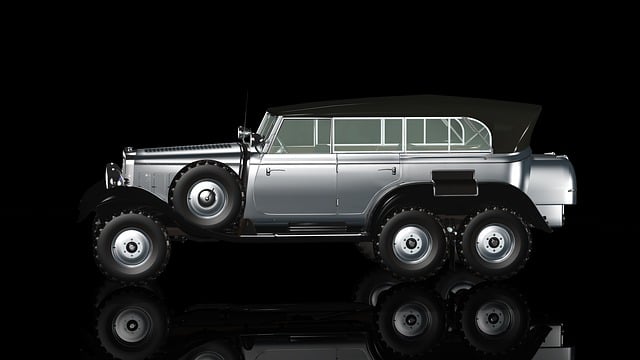
Vintage off-road vehicles hold a unique allure for restorers, offering a chance to reconnect with automotive history and forge a path less traveled. To embark on a restoration project, understanding these classics’ evolution and inherent characteristics is paramount. Off-roading safety tips and tricks, while not often discussed, become second nature as you delve into the past, ensuring your journey is both rewarding and secure.
Historically, off-road vehicles evolved from agricultural and military needs, with early models like the Jeep Willys and Land Rover Series I paving the way for today’s rugged SUVs and pickup trucks. These vintage machines are characterized by robust construction, simple yet effective mechanics, and a formidable off-roading capability that often rivals modern counterparts. Select Off-Road Vehicles naturally based on your restoration goals—whether it’s a classic Jeep, a retro truck, or an exotic ATV. Each has its own unique story and potential, allowing you to breathe new life into these time-honored designs.
As you explore off-roading safety tips and tricks specific to vintage vehicles, consider the era and intended use of your chosen model. Early off-roaders lacked many modern safety features, so understanding their limitations and strengths is crucial. Upfitting services that specialize in retrofitting these classics with contemporary safety gear, while maintaining their original integrity, can be invaluable resources. From reinforced roll cages to improved suspension systems, these enhancements ensure your restored vehicle isn’t just a historical piece but a capable off-road machine.
Top-secret off-roading spots, untouched by the masses, offer a thrilling prospect for adventurous restorers. These hidden gems, often nestled in remote regions, provide an unparalleled testing ground for your vintage rides. However, always approach these locations with caution and respect for local regulations. Remember, off-roading safety extends beyond the vehicle itself; it encompasses responsible exploration and preserving the natural landscapes that make these spots so special.
Evaluating Restoration Potential: Key Factors to Consider

When considering purchasing vintage off-road vehicles for restoration projects, evaluating the restoration potential is a critical step. This process involves meticulous scrutiny of various factors to ensure that the vehicle can be successfully restored to its former glory or even transformed into something new and unique. One key aspect to focus on is the state of the vehicle’s mechanical components, particularly the engine and drivetrain, as these are the heart of any off-road machine. A well-preserved engine with a proven history of reliable performance bodes well for the restoration’s success.
Additionally, assessing the condition of the chassis, suspension, and body panels is paramount. Rust, for instance, can be a significant issue in vintage vehicles, often indicating poor original maintenance or exposure to corrosive environments. Modern smart technology in 4x4s can offer insights into potential problem areas through advanced diagnostics, but nothing beats hands-on inspection. Off-roading safety tips and tricks are also vital considerations; older models may lack contemporary safety features, so a thorough evaluation of brakes, steering, and other critical systems is essential.
Furthermore, the choice of off-road batteries is crucial for both performance and longevity. High-quality, long-lasting batteries can significantly impact the vehicle’s overall condition and restoration costs. Data suggests that top-tier batteries can last up to three times longer than inferior alternatives, reducing the need for frequent replacements. When selecting off-road vehicles, prioritize those equipped with such durable components, as this will save time and money in the long run. Remember, a successful restoration project hinges not only on acquiring the right vehicle but also on making informed decisions during the evaluation phase.
Restoring Your Classic: Step-by-Step Guide and Tips

Restoring a classic off-road vehicle is a rewarding endeavor for enthusiasts seeking to bring a piece of automotive history back to life. The process involves meticulous attention to detail, from assessing the vehicle’s condition to meticulously repairing and revitalizing its unique features. This guide offers a comprehensive step-by-step approach to ensure your restoration project yields a stunning restored classic 4×4 that performs as well as it looks.
Begin by carefully evaluating potential candidates. Select Off-Road Vehicles with a rich heritage and proven durability, such as vintage Jeep Wranglers or Ford Broncos. Assess the vehicle’s frame for signs of rust or damage, ensuring structural integrity. Inspect the drivetrain, suspension, and brakes for wear and tear, considering that off-road SUV options often require significant overhaul. A thorough inspection is key to setting a realistic restoration scope and budget.
Demolition is a crucial step in any restoration project. Remove all components that are beyond repair or no longer align with your vision. This might include outdated safety features or additions that detract from the vehicle’s original aesthetic. Once deconstructed, thoroughly clean the frame and body panels, preparing them for new parts and finishes. Winterization is especially important if you’re in a region with harsh winters; an off-road vehicle winterization checklist should be followed to prevent damage during dormant periods.
As restoration progresses, prioritize authenticity. Use original or replicated parts that match the vehicle’s vintage and specifications. Consider seeking guidance from experienced restorers or joining online communities for advice on hard-to-find components. Regularly test key systems like steering, brakes, and electrical while adhering to safety protocols. Finally, once the restoration is complete, a thorough road test ensures the off-road SUV performs flawlessly both on and off the trail, showcasing your dedication to meticulous craftsmanship.
By delving into the world of vintage off-road vehicles, enthusiasts can embark on rewarding restoration projects that not only preserve historical legacy but also offer unique opportunities for creativity. Understanding these classics’ historical context is key, as is meticulously evaluating their restoration potential based on crucial factors like condition, availability of parts, and market demand. Following a structured guide ensures successful renewal, with each step carefully considered to honour the vehicle’s heritage while incorporating modern preservation techniques. Armed with this knowledge, collectors can confidently Select Off-Road Vehicles that not only capture the spirit of past eras but also serve as testaments to their skill and passion for these iconic machines.