

Selecting the right off-road vehicles is vital for effective Search and Rescue (SAR) operations. Consider vehicle performance, maneuverability, durability, and cost based on unique SAR demands and terrain variations. High-clearance trucks excel in rugged areas while all-terrain vehicles access compact spots. Modern apps enhance navigation. Rental services offer flexible access to specialized machinery. Training protocols, mock rescues, and equipment modifications are crucial. Essential kits include recovery gear, first aid, communication devices, and maintenance tools. Local regulations ensure effectiveness.
In the realm of search and rescue, efficient off-road access is paramount to saving lives, especially in rugged terrain. The challenge lies in identifying specialized equipment that seamlessly integrates with diverse rescue scenarios, from wilderness expeditions to urban disaster zones. This article serves as a comprehensive guide for professionals, delving into the critical factors for selecting robust Off-Road Vehicles (ORVs) tailored for search and rescue operations, ensuring swift and effective response. We explore innovative solutions, shedding light on the latest advancements in ORV technology designed to enhance rescue capabilities.
- Evaluate Search & Rescue Needs: Specialized Equipment Requirements
- Research & Select Suitable Off-Road Vehicles for Rescue Missions
- Implement Training Protocols: Optimizing Off-Road Rescue Operations
Evaluate Search & Rescue Needs: Specialized Equipment Requirements
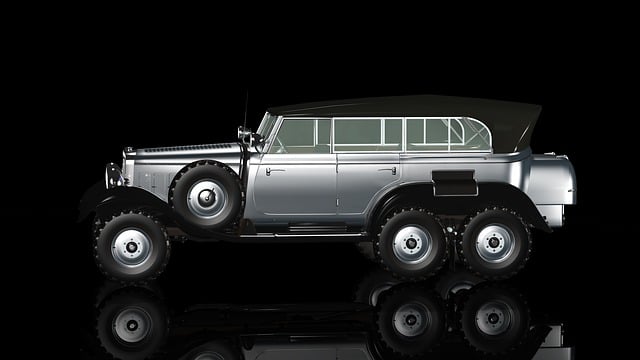
Evaluating Search & Rescue (SAR) needs requires a meticulous understanding of operational requirements and environmental challenges. When it comes to specialized equipment, selecting the right off-road vehicles is paramount. SAR operations demand machinery capable of navigating rugged terrain, accessing hard-to-reach areas, and providing reliable performance under extreme conditions.
Best trails for testing these vehicles, such as steep slopes, muddy tracks, or snow-covered landscapes, offer valuable insights into their capabilities. For instance, a vehicle excelling on technical trails may not perform as well in deep water crossings, highlighting the importance of comprehensive field trials. Beginners should consider cheap off-road vehicles, while experienced operators can explore more advanced models. Reputable off-road vehicle dealers often provide expert advice tailored to specific SAR needs.
Off-road vehicle rental services are also beneficial for specialized equipment. Teams can rent state-of-the-art machinery for specific missions, ensuring access to the best technology without long-term investment. This approach allows for flexible fleet management and staying abreast of evolving off-road vehicle technologies. Ultimately, selecting the right off-road vehicles requires a balanced consideration of performance, maneuverability, durability, and cost, aligned with the unique demands of each SAR operation.
Research & Select Suitable Off-Road Vehicles for Rescue Missions
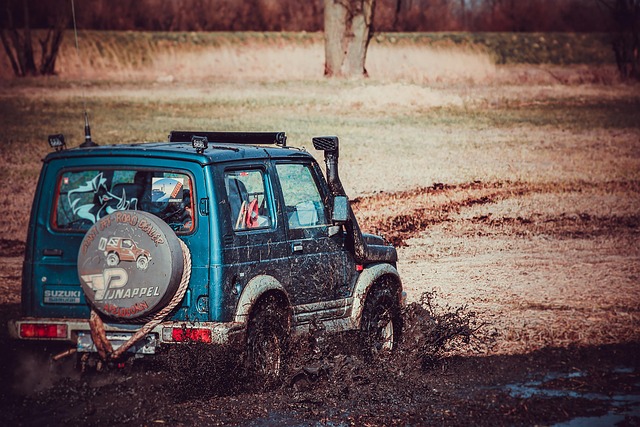
When equipping a search and rescue team for off-road missions, selecting the right vehicle is paramount. The terrain encountered can vary wildly, from dense forests to rugged mountains or muddy swamps—requiring specialized equipment capable of navigating these challenges. A key step in this process involves choosing the appropriate off-road vehicles that offer both robust performance and maneuverability. High-clearance trucks, for instance, are invaluable for traversing steep inclines and rough landscapes, while smaller, agile all-terrain vehicles (ATVs) can access more compact areas.
Researching and testing different models is essential to make an informed decision. Consider factors like engine power, ground clearance, suspension systems, and off-road navigation capabilities. Modern off-road navigation systems and apps have become indispensable tools, providing real-time tracking and mapping features that enhance mission effectiveness. These technologies allow rescuers to navigate complex terrain with greater precision and safety. Additionally, exploring off-road vehicle rental services can be a strategic move for temporary missions or specific rescue scenarios, offering access to specialized equipment without the long-term commitment of ownership.
For instance, a study by the National Institute of Standards and Technology (NIST) found that proper vehicle selection can reduce search times by up to 30%, potentially saving critical rescue operation time. As such, teams should evaluate their operational needs, terrain types, and budget before making a decision. Local availability of high-clearance trucks or specialized off-road vehicles is also essential, ensuring quick access during emergencies. Ultimately, selecting the right off-road vehicles equips search and rescue teams with the tools to navigate and overcome any obstacle, fostering faster, safer responses.
Implement Training Protocols: Optimizing Off-Road Rescue Operations
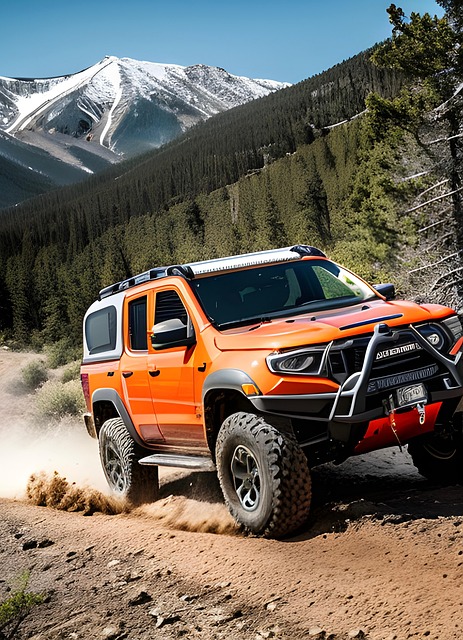
Optimizing off-road rescue operations requires a strategic approach, starting with the implementation of robust training protocols. These protocols ensure that search and rescue teams are well-prepared to handle diverse terrain and challenging conditions. When selecting equipment, it’s crucial to focus on specialized off-road vehicles capable of navigating rough landscapes. High-clearance trucks, for instance, play a vital role in regions with dense undergrowth or steep inclines, allowing access where conventional vehicles may struggle.
Training should encompass various scenarios, including mock off-road rescues, to familiarize teams with the unique challenges of different environments. This practical experience is enhanced by incorporating performance modifications to base off-road vehicles. From elevated clearance to improved suspension systems, these enhancements enable safer navigation over obstacles. For family-friendly outings, consider adaptable vehicles that offer both off-road capability and comfortable on-road driving, ensuring a broader range of possibilities without compromising safety.
A comprehensive kit is integral to any off-roading expedition. This includes essential gear such as robust recovery equipment, first aid supplies, communication devices, and tools for vehicle maintenance. Ensuring you have the right coverage with specialized off-road vehicle insurance is equally important, protecting against potential risks and liabilities associated with remote areas. Local regulations and industry standards should guide your preparation process, ensuring compliance while maximizing operational effectiveness.
By carefully evaluating search and rescue needs and understanding Specialized Equipment Requirements, organizations can effectively Select Off-Road Vehicles to enhance rescue missions. Implementing robust training protocols optimizes operations, ensuring teams are prepared for off-road challenges. This strategic approach not only improves response times but also increases the success rate of critical rescue operations, ultimately saving lives and showcasing the vital role of specialized equipment in modern search and rescue efforts.