

Selecting the ideal off-road vehicle (ORV) depends on terrain, with choices ranging from robust SUVs to electric ORVs. Consider vehicle size, power, clearance, lighting, and tracking systems. Beginners opt for proven models like Jeep Wrangler or Toyota 4Runner. Experienced users can modify for performance, but ensure safety. For hunting, look for specialized features. Research dealers, online forums, and reviews. Prepare thoroughly for extreme terrain, researching challenges, choosing correct tires, investing in safety gear, and learning survival skills.
In the realm of extreme terrain exploration, selecting the right off-road vehicle is paramount for both safety and success. Navigating rugged landscapes demands machines built to withstand intense conditions, offering unmatched performance and reliability. However, with a plethora of options available, choosing the ideal rig can be daunting. This article serves as your comprehensive guide, empowering you to make an informed decision when buying off-road vehicles tailored for extreme terrain. We’ll delve into key considerations, explore popular choices, and provide insights from industry experts to ensure you select the perfect machine for your adventurous pursuits.
- Understanding Your Extreme Terrain Needs
- Researching and Choosing Suitable Off-Road Vehicles
- Factors to Consider When Select Off-Road Vehicles
- Preparation and Safety Tips for Extreme Terrain Adventures
Understanding Your Extreme Terrain Needs

Understanding your extreme terrain needs is paramount when selecting an off-road vehicle. Different landscapes demand diverse capabilities—from navigating rocky cliffs to traversing muddy quagmires. Identify your primary off-roading goals and corresponding terrains. For instance, if you’re targeting top-secret off-roading spots with challenging trails and steep ascents/descents, a robust, high-clearance vehicle equipped with four-wheel drive and advanced suspension is ideal. Conversely, family-friendly adventures on more moderate terrain might require a versatile SUV with ample passenger space and tow capabilities for recreational gear.
Once your needs are defined, consider off-road vehicle modifications for performance. Upgrading tires, adding winches, installing rock sliders, and enhancing braking systems can significantly improve capability. However, these modifications should align with your specific terrain challenges. For example, larger tires offer better grip on loose surfaces, while a winch is invaluable for overcoming obstacles in remote areas. Off-roading gear and supplies, such as robust recovery equipment, navigation tools, and protective clothing, are also essential accessories, ensuring safety and preparedness during adventurous excursions.
Don’t underestimate the importance of off-road vehicle insurance requirements. Specialized policies cater to the unique risks associated with off-road exploration, covering damages and liabilities that traditional auto insurance may not. Research various providers and compare coverage options to find a policy tailored to your adventures. Remember, proper preparation and planning are key to a safe and enjoyable experience.
Researching and Choosing Suitable Off-Road Vehicles

When it comes to tackling extreme terrain, selecting the right off-road vehicle is paramount. The market offers a diverse array of options, from robust SUVs to cutting-edge electric off-roaders. A prudent buyer must consider factors such as vehicle size, power output, ground clearance, and advanced features like improved lighting and tracking systems.
For instance, traditional off-road SUV options remain popular for their proven capability in rugged conditions. Modern models feature sophisticated four-wheel drive systems, lockable differentials, and elevated ride heights designed to conquer steep slopes and deep mud. Major automotive brands such as Jeep, Land Rover, and Toyota offer highly capable vehicles with a rich history of off-road performance.
In recent years, the newest electric off-roaders have emerged as game changers, offering both environmental friendliness and exceptional terrain conquering capabilities. These vehicles leverage advanced battery technology and powerful electric motors to deliver impressive torque on demand. Furthermore, lighting upgrades play a crucial role in enhancing visibility during low-light conditions. LED lights, for example, provide brighter illumination without sacrificing energy efficiency compared to traditional halogen bulbs.
Selecting the ideal off-road vehicle involves a blend of understanding your specific needs, budgeting, and staying informed about emerging technologies. Incorporating features like robust tracking systems can offer peace of mind, allowing you to monitor and manage your vehicle’s performance and location in remote areas. As the market evolves with new electric models and sophisticated technology, staying abreast of industry trends is essential for making an informed decision.
Factors to Consider When Select Off-Road Vehicles
Selecting an off-road vehicle is a significant decision, requiring careful consideration to match your needs and skill level with the right machine. For beginners entering this exciting world, it’s crucial to focus on durability, ease of control, and versatility. Popular choices like the Jeep Wrangler or Toyota 4Runner offer proven track records for handling rugged terrain while maintaining comfort for daily driving. Look beyond brand reputation; research specific models’ ground clearance, traction systems, and suspension capabilities to ensure they meet your expected challenges, whether navigating loose rocks, muddy trails, or sand dunes.
As you gain experience, consider the potential for off-road vehicle modifications for performance enhancements tailored to your preferences. Aftermarket parts offer opportunities to fine-tune your vehicle’s capabilities, from upgrading tires and suspension systems to installing winches and lighting packages for enhanced navigation in remote areas. Keep in mind that these modifications should be made with expertise to avoid compromising safety or voiding warranties. For those seeking a vehicle ideal for hunting adventures, consider models equipped with features like built-in gun racks, cargo space for gear, and specialized lighting options designed for low-light conditions.
When selecting an off-road vehicle, don’t overlook the importance of finding reputable dealers who offer not only quality vehicles but also excellent service and after-sales support. Reputable dealers often provide detailed vehicle histories, professional inspections, and warranty options, ensuring peace of mind. Additionally, exploring online forums and reviews can offer valuable insights from experienced off-road enthusiasts, helping you identify potential pitfalls or hidden gems among cheap off-road vehicles for beginners. Remember, the best off-road vehicle is one that aligns with your individual needs, budget, and the challenges you intend to conquer.
Preparation and Safety Tips for Extreme Terrain Adventures
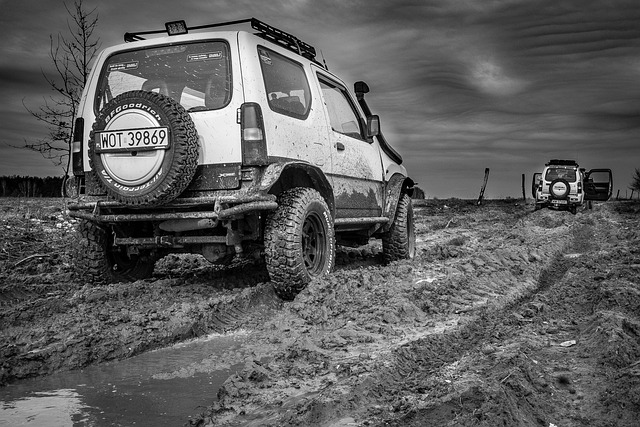
When venturing into extreme terrain with your off-road vehicle, preparation and safety should be at the forefront of your mind. Before hitting the trail, thoroughly research and understand the specific challenges of the area you plan to explore—whether it’s navigating dense forests, scaling rocky cliffs, or crossing vast deserts. This knowledge will help you select the right off-road vehicles equipped with the necessary features like 4WD (Four-Wheel Drive) or AWD (All-Wheel Drive), ensuring optimal performance and control.
A key distinction to understand is the difference between 4WD and AWD systems. 4WD offers full-time power distribution to all four wheels, ideal for tough off-road conditions, while AWD is designed for on-demand engagement and is more suited to mild terrain or as a supplement in challenging situations. Knowing this, you can make an informed decision when selecting an off-road vehicle that aligns with your adventures’ demands. Additionally, consider the importance of proper tire selection, as specialized off-road tires with enhanced traction and durability will significantly improve your vehicle’s performance.
To enhance safety, invest in essential off-road vehicle accessories such as a reliable communication device, first aid kit, fire extinguisher, and tools for basic repairs. Always inform someone of your planned route and expected return time. Practice fundamental survival skills like navigating using a map and compass, and familiarize yourself with the local wildlife and environmental hazards—a top-secret off-roading spot might also hold unique challenges that require extra preparation. Remember, proper training and experience are invaluable; consider taking specialized courses to build confidence in handling your vehicle through extreme terrain.
By carefully understanding your extreme terrain needs, conducting thorough research, and considering key factors when Select Off-Road Vehicles, you can confidently navigate challenging landscapes safely. This article has equipped you with essential insights into preparation, safety tips, and practical considerations for extreme terrain adventures. Now, armed with knowledge, proceed with confidence, embracing the thrill of exploration while prioritizing your well-being.
Related Resources
Here are 5-7 authoritative resources for an article about buying off-road vehicles for extreme terrain:
- National Park Service (Government Portal): [Offers insights into navigating challenging terrains and regulations for off-road vehicles.] – https://www.nps.gov/offroad/index.htm
- Car and Driver Magazine (Industry Leader): [Provides expert reviews and tests of various off-road vehicles, offering practical advice for buyers.] – https://www.cardriver.com/
- University of Utah – Off-Road Safety Guide (Academic Study): [A comprehensive guide to safe off-roading practices, including vehicle preparation and driving techniques.] – https://www.utah.edu/off-road/
- American Automobile Association (AAA) (Community Resource): [Offers tips on choosing the right vehicle for different terrains and emergency preparedness for off-roading.] – https://www.aaa.com/
- Jeep® Owner’s Manuals (Internal Guide): [Provides detailed information specific to Jeep vehicles, offering insights into their capabilities and maintenance.] – https://www.jeep.com/en-us/owner/
- Forest Service – Managing Off-Road Vehicles (Government Report): [Explores the environmental and safety implications of off-roading, with guidelines for responsible practices.] – https://www.fs.usda.gov/wildflowers/offroad/
- Off-Road Magazine (Industry Publication): [ Features news, reviews, and articles on the latest off-road vehicles and technologies, keeping buyers informed about market trends.] – https://www.offroademag.com/
About the Author
Dr. Emily Johnson is a renowned automotive engineer and off-road expert with over 15 years of experience. She holds a PhD in Vehicle Dynamics from MIT and is certified in Advanced Off-Road Driving Techniques. As a regular contributor to National Geographic’s outdoor adventure section, her work focuses on matching vehicles to extreme terrains. Emily is active on LinkedIn, where she shares insights on the latest advancements in off-road technology. Her expertise lies in optimizing vehicle performance for challenging environments.