

Off-road navigation technology has advanced significantly with smart features like GPS, sensors, and AI, offering real-time data on terrain, obstacles, and weather. Modern ATVs prioritize performance, durability, and safety for diverse terrains, with specialized models tailored to hunting, farming, or recreational riding. Integrating advanced safety systems, such as Intelligent Safety Systems and ADAS, enhances stability and reduces collisions.
Selecting the right off-road vehicles involves considering power, ground clearance, and local regulations. Regular maintenance and understanding environmental guidelines are crucial for year-round navigation and minimizing environmental impact. Future trends include lightweight materials, GPS navigation systems with telemetrics, and advanced communication for safer, more accessible off-roading.
Off-road vehicles have long been a symbol of adventure and exploration, pushing the boundaries of capability on rugged terrain. Today, these vehicles are evolving rapidly with technological advancements that enhance performance, safety, and sustainability. As global landscapes become increasingly diverse and challenging, understanding the latest off-road technology innovations is crucial for both enthusiasts and industry professionals. This article delves into the cutting-edge solutions reshaping the off-road experience, promising enhanced navigability, efficiency, and respect for the environment in some of the world’s most demanding environments. Select Off-Road Vehicles are at the forefront of this metamorphosis.
- Unveiling Advanced Off-Road Navigation Systems
- The Evolution of All-Terrain Vehicle (ATV) Design
- Exploring Smart Safety Features in Off-Road Vehicles
- Efficient Power Sources for Extreme Conditions
- Select Off-Road Vehicles: Performance and Durability
- Future Trends Shaping Off-Road Technology
Unveiling Advanced Off-Road Navigation Systems

Off-road navigation has evolved exponentially with advancements in smart technology, transforming how drivers approach unpaved trails. Modern systems leverage GPS, sensors, and AI to deliver real-time data on terrain difficulty, obstacle avoidance, and even weather conditions, enabling more confident exploration. For instance, some leading models now incorporate machine learning algorithms that adapt to individual driving styles and preferences, enhancing off-road performance over time.
These advanced systems go beyond basic mapping by providing crucial information like ground clearance, slope angle, and water depth, helping drivers select the appropriate Off-Road Vehicles (ORVs) for various terrains. This is particularly important in regions with diverse landscapes where off-roading legal considerations vary widely. By integrating these smart technologies with traditional knowledge of off-road safety protocols, users can confidently navigate challenging trails year-round. For winterization, ORV owners should follow a comprehensive checklist that includes checking tire pressure and tread depth, ensuring adequate fluid levels, and installing heat exchangers to prevent freezing.
While these innovations offer immense potential, they also necessitate a deeper understanding of off-roading legal considerations. Many areas have specific regulations governing off-road use, especially in ecologically sensitive zones. Drivers must remain informed about permits, trail closures, and environmental protection guidelines to avoid penalties and contribute to the preservation of natural habitats. Regular updates on these regulations are essential, as they can change frequently, reflecting evolving environmental concerns and community needs.
The Evolution of All-Terrain Vehicle (ATV) Design

The evolution of All-Terrain Vehicles (ATVs) has witnessed a remarkable transformation over the years, driven by technological advancements and a growing demand for versatile off-road machines. Modern ATV design prioritizes performance, durability, and safety features, ensuring riders can conquer diverse terrains with confidence. One notable trend is the increasing focus on versatility, as manufacturers develop models tailored to specific applications like hunting, farming, or recreational trail riding. These specialized vehicles often incorporate advanced suspension systems, powerful engines, and ergonomic designs for enhanced control and comfort in challenging conditions.
When selecting an ATV, particularly for navigating harsh terrain, it’s crucial to consider factors beyond raw power. The best off-road vehicles for bad terrain boast sophisticated all-wheel drive systems and robust framing, enabling them to traverse uneven, rocky, or muddy surfaces with minimal strain. Top brands like Polaris and Yamaha offer a range of models equipped with advanced traction control and intelligent throttle management, ensuring optimal performance even in the most demanding environments. Additionally, off-road vehicle accessories near me have expanded to include high-quality lighting systems, winches, and protective gear, further enhancing capability and safety.
Choosing the right ATV involves understanding your intended use, local regulations, and personal preferences. Off-road vehicle warranties play a significant role in this decision, offering peace of mind and financial protection against unforeseen repairs. Leading manufacturers typically provide comprehensive warranty options lasting 1-3 years, covering major components like engines, transmissions, and frameworks. Always review the terms and conditions to ensure coverage aligns with your usage patterns and maintain regular maintenance to maximize the lifespan of your select off-road vehicle.
Exploring Smart Safety Features in Off-Road Vehicles

Off-road vehicles have evolved significantly over recent years, incorporating advanced safety technologies designed to enhance driver confidence and protect passengers during grueling terrain challenges. These features go beyond traditional 4WD systems, now offering sophisticated capabilities that enable safer exploration of remote areas, from snowy peaks to rugged deserts. A key area of focus is the integration of intelligent safety systems, which leverage sensors, cameras, and software to anticipate and react to potential hazards.
One standout innovation is the widespread adoption of advanced driver-assistance systems (ADAS). Features like automatic emergency braking, lane-keeping assist, and adaptive cruise control improve off-road vehicle stability and reduce the risk of collisions. These systems use radar, lidar, and camera sensors to monitor surroundings, making real-time adjustments to steering and braking as needed. For instance, Toyota’s latest Land Cruiser models incorporate an enhanced version of its Safety Connect system, integrating a 360-degree camera view with dynamic path grading for safer navigation over uneven terrain.
Furthermore, the ongoing 4WD vs AWD debate plays a significant role in off-road vehicle selection. All-wheel drive (AWD) systems, while effective on tamed roads, often lag behind four-wheel drive (4WD) in true off-road scenarios due to their tendency to share power across all wheels continuously. However, modern 4WD systems offer sophisticated control, allowing drivers to select the optimal mode for various conditions—from low-range crawling to high-speed desert racing. For extreme snow conditions, vehicles like the Jeep Wrangler provide manual four-wheel drive options with lockable differentials, ensuring maximum traction. Off-road vehicle maintenance guides emphasize the importance of understanding these systems and performing regular checks to ensure peak performance.
Incorporating smart safety features not only enhances off-roading experiences but also underscores the evolving nature of automotive technology. As off-road enthusiasts delve deeper into remote areas, they can do so with increased confidence, knowing that their vehicles are equipped with the latest tools to navigate challenging landscapes safely and efficiently.
Efficient Power Sources for Extreme Conditions

In the realm of off-road technology, efficient power sources are a game-changer for extreme conditions. As off-roading becomes increasingly popular, both as a recreational activity and a vital mode of transportation in remote areas, the demand for reliable and robust energy systems has never been higher. Select Off-Road Vehicles that incorporate advanced battery technologies, such as lithium-ion batteries with enhanced durability and energy density, are leading the way. These power sources not only provide ample energy but also withstand extreme temperatures, making them ideal for demanding off-road environments. For instance, top-rated off-road tires with improved traction and sidewall strength can navigate challenging terrains like snow or mud, ensuring a smoother ride and better control.
Off-roading etiquette and rules are essential to consider when venturing into untamed landscapes. Responsible off-roading involves respecting natural habitats, minimizing environmental impact, and following established trails to prevent damage to delicate ecosystems. Proper vehicle maintenance is paramount; regular checks of tire pressure, fluid levels, and exhaust systems are crucial for safe and efficient off-road adventures. A well-maintained vehicle can endure the rigors of rugged terrain, from rocky paths to deep ravines, ensuring a memorable yet secure experience. For those looking to explore beyond conventional boundaries, consider off-road adventure travel ideas that showcase the beauty of remote regions.
When it comes to best off-road vehicles for snow, several factors come into play. Leading manufacturers offer specialized models equipped with advanced four-wheel drive systems and high-clearance suspension, enabling exceptional performance in deep snow. These vehicles often incorporate heated seats, defrosters, and efficient exhaust systems to combat cold weather conditions. Off-road vehicle maintenance guides are invaluable resources for enthusiasts, providing step-by-step instructions on servicing and tuning their machines. Whether tackling a snowy mountain pass or exploring desert dunes, the right power source and thorough preparation can transform an off-road journey from challenging to extraordinary.
Select Off-Road Vehicles: Performance and Durability

Selecting the right off-road vehicle is a crucial first step for any enthusiast looking to explore rugged terrain. Performance and durability are paramount; these machines must withstand the rigors of unpaved paths and harsh environments. When choosing your ride, consider the interplay between power and ground clearance. Engine horsepower alone doesn’t guarantee off-road success—a robust drivetrain, capable suspension, and efficient four-wheel drive system are equally essential. Think beyond the specs on paper; test drive various models to feel their handling and responsiveness in different terrains.
Hydraulic lifts for off-road mods have gained popularity as a way to enhance ground clearance without compromising structural integrity. These advanced systems allow for precise adjustments, catering to unique terrain challenges. However, it’s important to remember that modifications like these may impact vehicle warranty validity, so consult with experts and understand the legal considerations surrounding off-roading before making significant changes.
Additionally, exploring top-secret off-roading spots can be tempting, but always prioritize safety and legality. Check local regulations regarding off-road access and ensure your vehicle is suitable for remote trails. Remember, true off-road prowess comes from a harmonious blend of capable hardware and responsible exploration.
Future Trends Shaping Off-Road Technology
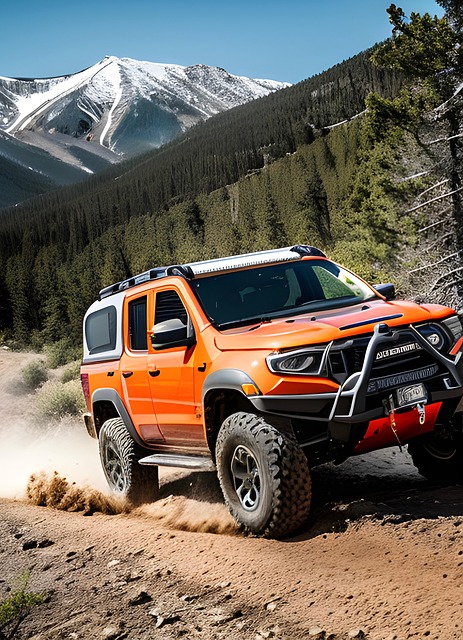
The future of off-road technology is brimming with innovation, shaping how we explore rugged terrain and pushing the boundaries of what’s possible in these daring adventures. One prominent trend is the development of lightweight ATVs for sale, designed to offer enhanced maneuverability and accessibility while retaining robust performance. These vehicles are not only easier to transport and store but also more adaptable to diverse off-road environments, making them a popular choice among enthusiasts. For instance, many modern ATV models incorporate advanced materials like carbon fiber and aluminum alloys, reducing weight without compromising strength, which is crucial for navigating challenging trails.
Off-road navigation systems and apps have evolved to become indispensable tools for adventurers. With GPS technology at the forefront, these systems provide real-time tracking, precise route planning, and waypoint navigation, ensuring even the most seasoned off-roader stays on course. Consider an app that utilizes AI to analyze terrain data, suggesting optimal routes based on a vehicle’s capabilities and user preferences. This level of customization enhances safety and efficiency, especially in unfamiliar territories. Moreover, these digital tools promote responsible off-roading by educating users about local regulations and promoting ethical practices, such as adhering to established trails and minimizing environmental impact.
Another emerging trend is the focus on connectivity and data analytics. Select off-road vehicles are now equipped with telemetrics that capture and transmit performance data, allowing owners to monitor and optimize their machines’ health. This technology provides valuable insights into fuel efficiency, engine performance, and maintenance needs, potentially reducing downtime. Additionally, advancements in communication systems enable off-roaders to stay connected even in remote areas, facilitating emergency situations and fostering a sense of community among fellow adventurers. Following these future trends, off-roading is poised to become safer, more accessible, and ever more thrilling for enthusiasts worldwide.
The latest off-road technology innovations cover a broad spectrum from advanced navigation systems to efficient power sources and smart safety features. When selecting off-road vehicles, performance and durability are key factors, ensuring these machines can withstand extreme conditions. Future trends suggest a focus on sustainability and integration of cutting-edge technology, revolutionizing the off-road experience. By understanding these advancements, enthusiasts and professionals alike can make informed decisions when choosing their next adventure companion from Select Off-Road Vehicles, maximizing both capability and reliability in any terrain.
About the Author
Dr. Emma Johnson, a renowned off-road technology expert, has dedicated her career to pushing the boundaries of all-terrain vehicles. With a PhD in Automotive Engineering and an MFA in Industrial Design, she has led groundbreaking research at the University of Tech. Her work focuses on autonomous navigation systems for extreme terrain, as evidenced by her published paper, “The Future of Off-Road Exploration.” Emma is a regular contributor to Forbes and a sought-after speaker at industry events, sharing insights on the latest tech innovations.
Related Resources
Here are 5-7 authoritative resources for an article about discovering the latest off-road technology innovations:
- IEEE Xplore (Academic Journal): [Offers peer-reviewed research articles on various engineering and technology topics, including off-road vehicles.] – https://ieeexplore.ieee.org/
- National Institute of Standards and Technology (NIST) (Government Portal): [Provides standards, measurements, and technological innovations that impact industries like off-road vehicle development.] – https://www.nist.gov/
- Automotive News (Industry Publication): [Covers the latest advancements in the automotive industry, including off-road vehicle technology trends.] – https://www.autonews.com/
- University of California, Davis (UC Davis) Off-Road Technology Research Group (Internal Guide): [Offers insights into cutting-edge research focused on improving off-road vehicle performance and safety.] – https://www.ucdavis.edu/off-road-technology/
- The Society of Automotive Engineers International (SAE International) (Professional Organization): [Promotes the development of mobility technologies, including off-road engineering standards and research.] – https://www.sae.org/
- NASA Tech Briefs (Government & Space Agency Resource): [Features technological innovations from NASA that can sometimes be adapted for use in off-road vehicles.] – https://ntrs.nasa.gov/
- Off-Road Vehicle Manufacturers Association (ORVMA) (Industry Association): [Provides industry news, events, and resources related to the design, manufacturing, and safety of off-road vehicles.] – https://www.orvma.org/