
Select Off-Road Vehicles with historical significance and restorability for a blend of automotive heritage and challenging projects. Research thoroughly using specialized dealers, off-road navigation systems, and reviews to ensure reliable sources and informed decisions. Evaluate vehicles based on structural integrity, safety features, drivability, and intended use, prioritizing durable models known for accessibility. Restore with meticulous attention to detail, focusing on key components like drivetrain, suspension, brakes, and lighting systems. Adhere to legal considerations regarding registration, weight capacity, and insurance policies tailored to off-road vehicles. Balance historical charm with modern innovations for optimal performance and a remarkable off-road experience.
The resurgence of vintage off-road vehicles as popular restoration projects is a testament to the enduring allure of these rugged machines. However, navigating the market for quality candidates can be a challenging labyrinthine process, particularly for those new to this realm. This article provides an authoritative guide on how to select the best Off-Road Vehicles for restoration, equipping you with the knowledge and skills to make informed decisions. We’ll delve into identifying reliable sources, assessing vehicle condition, and understanding the unique needs of these classic machines, ensuring your restoration project is a symphony of success rather than a convoluted enigma.
- Understanding Vintage Off-Road Vehicles: History and Appeal
- Locating Reputable Sellers for Reliable Purchases
- Evaluating Vehicle Condition: What to Look For
- Restoring Essential Components: A Step-by-Step Guide
- Legal Considerations: Registration, Insurance, and Safety
- Final Touches and Testing: Bringing Your Restoration to Life
Understanding Vintage Off-Road Vehicles: History and Appeal
Vintage off-road vehicles hold a unique allure for restorers and enthusiasts alike, offering a glimpse into automotive history while presenting challenging restoration projects. Understanding these classic machines involves delving into their rich past and exploring why they continue to captivate modern audiences. The appeal of vintage off-roaders extends beyond their rugged exterior; it taps into a desire to reconnect with simpler times and appreciate the ingenuity of early engineering.
These vehicles, often characterized by sturdy construction and robust designs, were born out of a need for versatile transportation in challenging terrains. From agricultural uses to military applications, they have left an indelible mark on off-road history. For instance, iconic models like the Jeep Willys MB, first introduced in World War II, became symbols of durability and adaptability, influencing generations of off-road vehicle design. As a result, today’s restorers find themselves drawn to these time-tested machines, eager to revive their glory days on modern trails.
When selecting a vintage off-road vehicle for restoration, it is crucial to consider both its historical significance and practical restorability. The best rugged vehicles for sale often present both opportunities and challenges. For instance, the 1960s Land Rover Series I is a beloved classic known for its robust architecture but may require extensive mechanical upgrades to meet modern safety standards. As such, prospective buyers should thoroughly research specific models, assess their budget, and plan for the extent of restoration work needed. Additionally, testing these vehicles on best trails once or twice before committing to a purchase can provide invaluable insights into their performance and handling.
Locating Reputable Sellers for Reliable Purchases
When embarking on a vintage off-road vehicle restoration project, finding reliable sources for purchasing these tough 4×4 cars under $50k is paramount. One of the first steps in this journey is locating reputable sellers who can offer not just any old vehicles, but those suitable for intricate restoration work. This process demands diligence and an understanding that cheap off-road vehicles for beginners, while attractive, may require significant repairs or have hidden issues.
Reputable off-road vehicle dealers are a wise starting point. Established dealers often have extensive knowledge about the vehicles they sell, providing insights into their history and any necessary restoration work. They also typically offer warranties or guarantees, offering some security in case unforeseen challenges arise during the restoration process. For instance, consider dealing with dealers who specialize in vintage off-roaders, as these experts can guide you through the nuances of different makes and models.
Off-road navigation systems and apps have revolutionized how we approach such purchases. These tools not only help locate specific vehicles but also provide detailed information on their condition and history. Websites and platforms that focus on extreme terrain vehicle reviews offer a wealth of knowledge, allowing potential buyers to gauge the reliability of different makes and models before making contact with sellers. This is particularly beneficial for those on a budget, as it can help identify vehicles that might require less extensive (and costly) restoration work. Remember, thorough research beforehand can save significant time and resources in the long run.
Evaluating Vehicle Condition: What to Look For
Evaluating the condition of a vintage off-road vehicle is an art that combines meticulous inspection with an understanding of the machine’s history and potential. Before purchasing, carefully assess key components to ensure safety and long-term viability for your restoration project. Look for signs of previous repairs; rust, especially in hidden areas like floorpans and frames, can indicate serious structural issues. Check for correct alignment, tire wear, and overall drivability—a well-maintained vehicle should handle smoothly and respond accurately to steering inputs.
For off-road enthusiasts looking to hunt down a suitable vehicle, testing is paramount. The best trails offer a mix of challenging terrain and open spaces, allowing you to gauge the machine’s capabilities. Consider locales with varied ground, from rocky outcrops to mudded ruts; these scenarios reveal a vehicle’s true strength. For instance, dense forest trails can expose suspension weaknesses while steep climbs test engine power and transmission prowess. Many experienced off-roaders recommend starting with relatively mild terrain before tackling more extreme routes, ensuring safe practices throughout.
When selecting your off-road vehicle, keep best practices in mind. Prioritize safety features such as well-functioning brakes, reliable steering, and robust suspension. Check for proper tire condition and pressure—off-roading requires specialized tread patterns and adequate air pressure to navigate uneven terrain. Remember that the right vehicle for hunting or restoration depends on your skill level, intended use, and budget. Researching popular models known for their durability and accessibility can provide valuable insights as you embark on this exciting endeavor.
Restoring Essential Components: A Step-by-Step Guide

Restoring vintage off-road vehicles is an art form that requires meticulous attention to detail. When diving into such projects, selecting the right vehicle forms the foundation for success. Choose a model known for its ruggedness and durability, like classic Jeep Wranglers or Ford Bronco, which have a rich history in off-roading. Before purchasing, thoroughly inspect key components: drivetrain, suspension, brakes, steering, and exhaust systems. Look for signs of wear, corrosion, or missing parts—these could indicate underlying issues that may impact restoration costs and outcomes.
One essential component to prioritize is the off-road vehicle battery maintenance. Over time, batteries in these vehicles can lose their power hold, especially if they’ve been stored for extended periods. Ensure you have a reliable replacement battery from reputable brands designed for heavy-duty use. Additionally, consider upgrading your off-road vehicle stereo systems and custom off-road vehicle builds to enhance performance and comfort. High-quality cameras capturing action shots during test drives can help identify areas needing improvement, making them valuable tools for any restorer.
The process involves a step-by-step approach: disassemble affected parts, clean corrosion, replace worn components (e.g., bushings, gaskets), and inspect welds. For example, restoring a vehicle’s suspension requires careful removal of old springs, shocks, and control arms, followed by meticulous cleaning and replacement where necessary. Accessing these areas may require specialized tools, so invest in a quality set tailored for off-road vehicles. Regularly check local off-road vehicle accessories stores or online marketplaces to source authentic parts and maintain the historical integrity of your restoration.
Finally, regular battery maintenance, prompt addressing of mechanical issues, and adhering to recommended service intervals will ensure your restored off-road vehicle remains in top condition. How often you perform these checks depends on usage and age: heavier use and older vehicles may require more frequent attention. By following these guidelines, you’ll be well-equipped to tackle restoration projects with confidence, turning vintage off-roaders into gleaming gems ready for modern trails.
Legal Considerations: Registration, Insurance, and Safety

When embarking on a vintage off-road vehicle restoration project, navigating legal considerations is an essential step that often goes overlooked. Registration and insurance are pivotal aspects that can impact both your wallet and safety. It’s crucial to understand local regulations regarding vintage vehicles, as requirements vary widely. For instance, some regions may impose restrictions on roadworthiness inspections or even ban older models entirely from public roads. Therefore, before you select an off-road vehicle naturally suited for restoration, ensure it complies with current registration standards.
Off-road vehicle accessories near me can aid in enhancing safety features. While many vintage vehicles come with basic equipment, incorporating modern upgrades is recommended to meet contemporary safety standards. An off-road vehicle weight capacity guide should be your friend when equipping or modifying your classic ride. Exceeding the specified weight limit can compromise stability and handling, especially on rugged terrain. Moreover, prioritizing safety doesn’t stop at mechanical components; proper lighting systems and reflective gear are essential for visibility during off-roading expeditions, especially in remote top-secret off-roading spots that you may discover 1-3 times along your journey.
Insurance coverage for vintage off-road vehicles presents a unique challenge. Classic vehicle insurance policies differ from standard auto insurances, offering specialized coverage tailored to their age and value. Policy terms and conditions should explicitly address off-road use, as many companies impose restrictions or require additional endorsements. Regularly reviewing safety ratings for off-road vehicles can help you make informed decisions when choosing a restoration project. Leading industry sources provide comprehensive databases of off-road vehicle safety ratings, enabling you to select models known for their robust construction and advanced safety features.
Final Touches and Testing: Bringing Your Restoration to Life
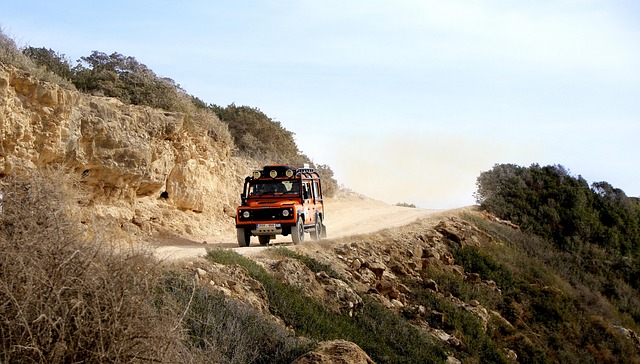
After meticulously sourcing and acquiring your vintage off-road vehicle, the final stages of your restoration project await—the careful application of those final touches and rigorous testing to bring your creation to life. This phase is where your meticulous craftsmanship and attention to detail shine, transforming a restored shell into a truly remarkable off-roader. Among the many considerations, two key aspects stand out: perfecting aesthetic elements and ensuring optimal performance through smart technology, all while keeping in mind the best trails for testing these vintage gems.
Begin by meticulously inspecting every component, ensuring each part aligns with your vision. From meticulous body repairs to precise paintwork, every detail contributes to the overall character of your restoration. Incorporate modern touches where fitting, such as updated lighting or a retro-inspired sound system, seamlessly blending old-world charm with contemporary preferences. Smart technology in 4x4s has advanced significantly, offering improved safety and control features that can be retrofitted if necessary. For instance, modern off-road vehicles often boast advanced driver assistance systems (ADAS), including lane departure warning and automatic emergency braking, which can enhance both performance and peace of mind.
Testing is paramount to ensure your vintage off-road vehicle not only looks the part but handles it as well. Choose testing grounds wisely, opt for challenging trails that mimic diverse terrains you intend to conquer. Consider renting a trail access point or utilizing off-road vehicle rental services for this purpose. These services provide access to a variety of trails, allowing you to thoroughly evaluate your restoration’s capabilities. Keep records of test results, noting areas that excel and those needing fine-tuning. This meticulous process ensures a truly remarkable off-road experience, paying homage to the past while leveraging modern innovations.
Restoring vintage off-road vehicles is a rewarding endeavor for enthusiasts who appreciate automotive history and craftsmanship. By understanding the unique appeal of these classics, locating reputable sellers, and thoroughly evaluating vehicle condition, restorers can secure reliable bases for their projects. The step-by-step restoration guide ensures that essential components are restored to their former glory, while legal considerations ensure safety and compliance. Once the final touches are applied and the vehicle is tested, owners will have beautifully restored off-roaders ready to tackle new adventures. Key takeaways include selecting the right vehicles, prioritizing meticulous evaluation and restoration, adhering to legal standards, and celebrating the completion of these timeless machines.