
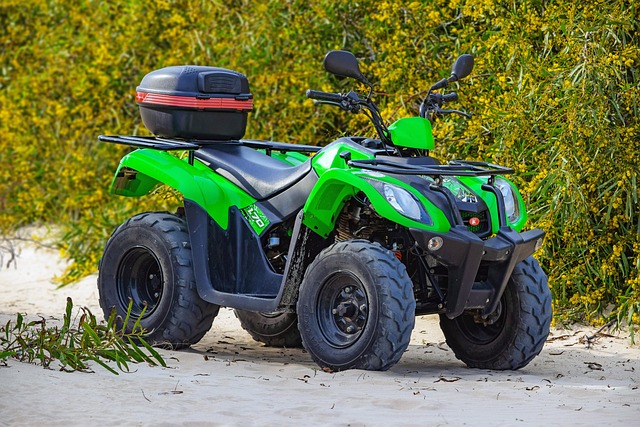
Before selecting your first off-road bike, assess your riding skills, define goals, and research vehicle types based on terrain and purpose. Match your skill level with bike capabilities, considering comfort, stability, and agility. Test rides are crucial for handling and performance evaluation. Proper maintenance, equipment choices, and staying informed ensure optimal experiences across various terrains.
Choosing your first off-road bike is an exciting yet daunting endeavor. With a vast array of options available, selecting the right vehicle for your needs and skill level can be challenging. Off-road biking offers unparalleled adventure and freedom, but it demands knowledge and the right equipment to ensure safety and enjoyment. This article provides expert advice tailored to newcomers, guiding them through essential factors like bike types, suspension systems, tire choices, and more. By the end, you’ll be equipped with the insights needed to Select Off-Road Vehicles naturally, making an informed decision for a rewarding off-road experience.
- Assess Your Riding Skills and Goals
- Research Different Off-Road Bike Types
- Test Ride and Choose the Right Fit
Assess Your Riding Skills and Goals
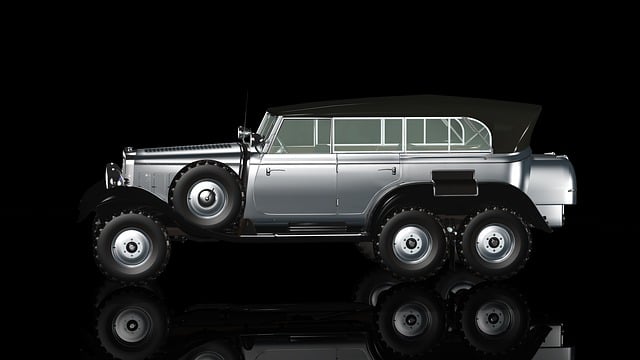
Before venturing into the exciting world of off-road biking, it’s crucial to assess your riding skills and define your goals. This self-reflection is a fundamental step in ensuring you select the perfect off-road vehicle that aligns with your expectations and skill level. Off-roading offers a unique blend of adventure and challenge, but different terrains demand varying levels of expertise. For instance, navigating rocky trails requires more control and balance compared to mudding or sand riding, which can be more forgiving for beginners.
Start by evaluating your current experience on standard roads and trails. Are you comfortable handling curves at speed and managing traffic? If so, you might be ready for the dynamic nature of off-road trails. However, if you’re still gaining confidence on regular terrain, consider taking all-terrain vehicle (ATV) training classes to build a solid foundation. These classes can range from 1-3 times, depending on your desired level of proficiency. Professional instructors will teach you essential skills like steering, braking, and navigating obstacles, enhancing your overall off-road experience and safety.
Your riding goals play a significant role in vehicle selection. Are you aiming for intense, technical trails or planning leisurely rides with friends? If the former, consider bikes designed for agility and precision, which typically have lighter frames and advanced suspension systems. Conversely, if social rides are your priority, opt for models that offer comfort over extreme performance. Additionally, explore local off-roading communities to gain insights from experienced riders; they can guide you in choosing vehicles suitable for various terrains and conditions, ensuring longevity even with the toughest trails. Remember, investing in high-quality, long-lasting off-road batteries is a smart move, as these power your bike’s essential systems during extended adventures.
Research Different Off-Road Bike Types
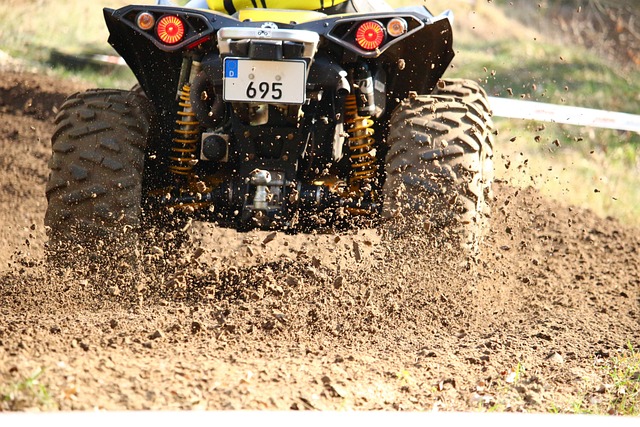
Choosing your first off-road bike involves a deep understanding of various types designed for different terrains and purposes. Whether you’re looking for a rugged mountain bicycle or a versatile electric model, each category offers unique advantages tailored to specific off-road navigation needs. Researching these options is crucial to selecting the best off-road vehicle for bad terrain.
Consider the purpose behind your off-roading. For instance, enduro bikes excel in technical downhill sections, while dual-sport models offer a balance between road and trail riding. Electric off-roaders provide assistance on steep ascents and long descents, ideal for tackling challenging trails with less physical exertion. Explore top-secret off-roading spots and gain access to hidden gems by using off-road navigation systems and apps that can guide you through unfamiliar territories.
Moreover, understand the terrain you’ll be navigating. Rocky, sandy, or muddy paths demand bikes with specific features. For rocky terrains, look for bikes with robust frames and suspension systems designed to absorb impacts. Sandy trails require knobby tires for better traction, while mud-specific bikes feature fangs that grip wet ground. Remember that no single bike dominates all terrains; the best choice depends on your preferences and the challenges you anticipate.
When selecting an off-road bike, consider your skill level and comfort. Beginners might prefer lightweight, easy-to-handle models, while experienced riders can opt for more specialized, performance-oriented bicycles. Keep in mind that technology has advanced significantly, with innovative features like regenerative braking systems in electric bikes enhancing efficiency on bad terrain. Ultimately, the key to choosing the right off-road bike lies in matching your needs and riding style with the vehicle’s capabilities, ensuring a safe and enjoyable off-roading experience.
Test Ride and Choose the Right Fit
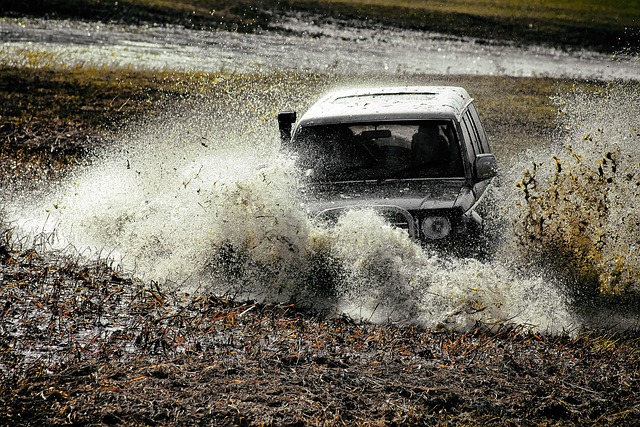
Selecting your first off-road bike involves more than just choosing a powerful machine; it’s about finding the perfect fit for both you and the terrain you intend to conquer. After researching various models and considering factors like engine power, suspension systems, and tire traction, the next crucial step is taking these potential off-road vehicles for test rides. This hands-on experience offers invaluable insights into their handling, comfort, and overall performance in simulated off-road conditions.
Imagine yourself navigating challenging trails, testing the bike’s agility around tight corners and its stability on uneven ground. The best-fitting off-road vehicle will adapt to your riding style while rewarding you with precise control and confidence. During these test rides, pay close attention to how each bike responds to extreme terrain. Do they feel stable or do they pitch and roll excessively? Is the handling smooth or jarring? Consider also the ergonomic aspects—seat comfort, reach to controls, and overall fit. The right off-road vehicle should allow you to maintain control and stay comfortable during extended rides in diverse environments.
Beyond the test ride, don’t overlook the importance of proper winterization for your chosen off-road vehicle (ORV). Ensuring optimal performance and longevity requires regular maintenance, especially in harsh climates. This includes tasks such as battery maintenance—checking voltage, cleaning corrosion from terminals, and topping up with distilled water—to keep your ORV ready for any season. Additionally, reviewing recent extreme terrain vehicle models can provide insights into the latest innovations, safety features, and cost-effective options. For instance, some tough 4×4 cars under $50k have proven their mettle on challenging trails while maintaining affordability.
To capture those action-packed moments, invest in high-quality off-road cameras. These tools not only help in documenting your adventures but also assist with analyzing riding techniques and vehicle performance. Remember to consider the camera’s durability for off-road use, as well as its video quality and connectivity options. By combining thoughtful test rides, meticulous maintenance practices, access to reliable reviews, and strategic equipment choices, you’ll be well on your way to selecting a first off-road bike that not only meets but exceeds your expectations in any terrain.
Selecting your first off-road bike is an exciting yet crucial step for any rider looking to explore rugged terrains. By assessing your riding skills and goals, you lay the foundation for success. Researching different types of off-road bikes equips you with knowledge, enabling informed decisions based on specific needs. During test rides, finding the right fit becomes paramount, ensuring comfort and control. Remember, the best approach is to naturally select off-road vehicles that align with your skills and aspirations, fostering a rewarding off-road experience from the very start.