
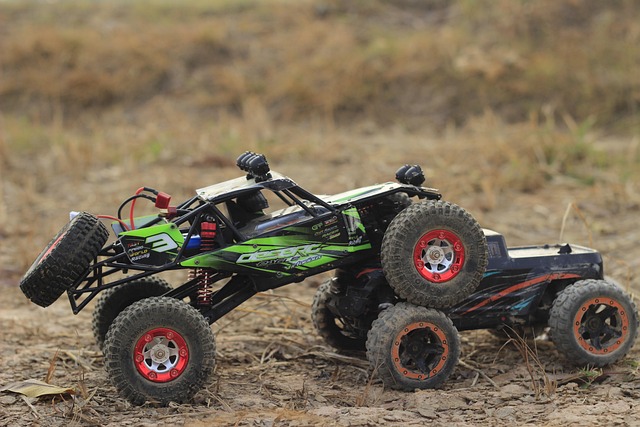
Beginners should Select Off-Road Vehicles naturally that match their skills and budget, starting with training courses to learn essential techniques. Research local regulations, choose varied terrains, and consider safety features like roll cages. Courses offer modern and vintage vehicle training, aligning with goals and budget for an unforgettable outdoor adventure.
In the realm of outdoor adventure, off-road driving offers an exhilarating experience for enthusiasts seeking to conquer diverse terrains. For beginners eager to explore this exciting niche, finding suitable training courses is paramount to ensure safety and cultivate skill. The challenge lies in discovering accessible, high-quality programs tailored to newcomers, particularly those involving Select Off-Road Vehicles. This article serves as a comprehensive guide, offering practical insights to navigate the landscape and locate top-tier training for aspiring off-roaders, ensuring they’re prepared to confidently tackle any trail.
- Assess Your Skills and Find Suitable Courses
- Choose the Right Off-Road Vehicles for Training
- Research Course Locations and Facilities
- Enroll and Prepare for an Adventure-filled Experience
Assess Your Skills and Find Suitable Courses

For beginners looking to venture off the beaten path, assessing your skills and finding suitable courses is a crucial first step. Start by evaluating your current experience level and comfort with both driving and navigating challenging terrain. Consider what type of extreme terrain vehicle or high-clearance truck best suits your needs – options like tough 4×4 cars under $50k offer excellent performance without breaking the bank. Explore local opportunities, such as off-road training courses near you that cater to beginners. These courses often provide a safe and controlled environment to learn essential skills, from basic vehicle control to advanced techniques for navigating difficult terrain.
When selecting an off-road course, look beyond just location; ensure it offers a variety of terrains to match your skill level and interests. Family-friendly off-road vehicles are another consideration, as they can make the experience more accessible and enjoyable for everyone involved. Reviews from fellow enthusiasts can provide valuable insights into the quality and difficulty of these courses. Many experienced off-roaders share their stories online, highlighting the best routes and training facilities in the area – keep an eye out for these resources to help you make informed decisions.
Remember, proper preparation is key to a positive and educational experience. Before enrolling in any course, research the specific vehicle modifications required for performance and safety on off-road trails. This might include upgrades like stronger axles or improved suspension systems. Once you’ve found suitable courses that align with your goals and budget, it’s time to register and get ready for an unforgettable adventure into the great outdoors.
Choose the Right Off-Road Vehicles for Training
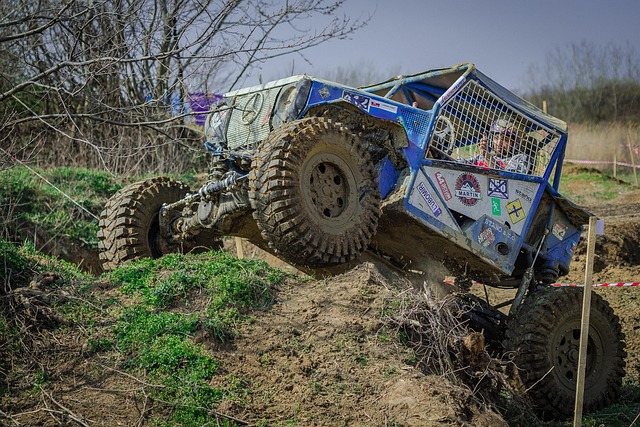
Choosing the right off-road vehicle is a cornerstone of safe and effective training for beginners. While modern 4x4s offer advanced technology and superior capabilities, vintage off-road vehicles can provide an equally enriching experience, offering a unique blend of challenge and history. For instance, classic Jeep models are renowned for their ruggedness and adaptability, with their simple mechanics making them accessible to learners. Conversely, high-clearance trucks like the Toyota Land Cruiser or Ford F-150 Raptor offer more space and stability, ideal for navigating varied terrains.
When selecting a vehicle, prioritize safety features such as roll cages, seat belts, and functioning brakes. Additionally, consider the vehicle’s ground clearance, angle of approach, and departure to understand its limitations and learn safe off-roading practices. Modern 4x4s often come equipped with advanced systems like locking differentials, automatic locking hubs, and sophisticated suspension systems that enhance traction and control. However, these features can also mask the driver’s perception of vehicle behavior, making hands-on experience in a controlled environment crucial before venturing onto public roads.
Off-road survival skills training courses should offer opportunities to learn on both modern and vintage vehicles, allowing trainees to gain a holistic understanding of different driving dynamics. These courses often provide access to private properties with diverse terrain, ideal for practicing safe off-roading practices 1-3 times before attempting more challenging public lands. Remember, the best vehicle is one that aligns with your skill level, learning objectives, and budget, ensuring you can fully engage in the training experience.
Research Course Locations and Facilities

Before setting out on your off-roading journey, thorough research on course locations and facilities is paramount. Start by identifying areas known for their rugged terrains, as these often host top-notch training courses tailored to beginners. Utilize online maps to scout for high-clearance trucks near me—a crucial element for navigating challenging trails. Remember, the right vehicle makes a significant difference in off-road safety and enjoyment.
Once you’ve shortlisted potential locations, delve into their facilities. Reputable off-roading schools typically offer a range of options, from basic to advanced courses. Check if they provide guidance on proper vehicle setup, including suspension adjustments for different terrains. Additionally, inquire about rental services for those new to off-road vehicles. Many operators offer packages that include high-clearance trucks near me, ensuring you’re equipped with the right tools for the job. This not only facilitates your learning curve but also promotes responsible off-roading by discouraging unnecessary vehicle modifications.
Legal considerations cannot be overlooked. Familiarize yourself with local regulations regarding off-roading. Some areas may require permits or have specific rules about trail usage. Reputable training courses will often account for these, guiding students through the necessary procedures. Furthermore, consider insurance policies, as off-road adventures can present unique risks.
Lastly, read reviews and testimonials from past participants to gauge the quality of instruction and overall course satisfaction. This collective wisdom offers valuable insights into what to expect and helps in making an informed decision. Remember, a well-researched course not only enhances your learning experience but also contributes to the responsible stewardship of these natural playgrounds.
Enroll and Prepare for an Adventure-filled Experience
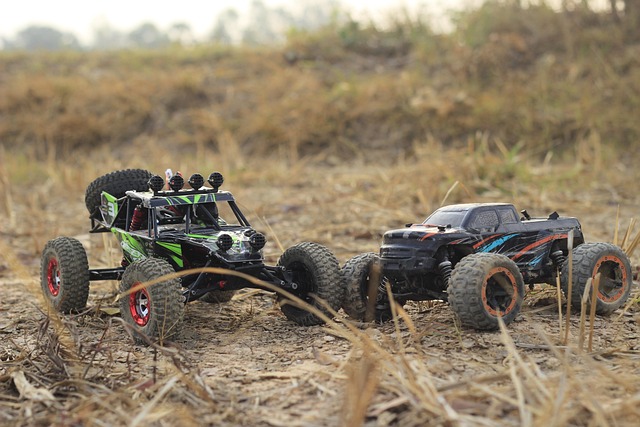
To begin your off-roading journey, enrolling in a well-structured training course is an excellent first step. These courses cater specifically to beginners, offering a safe and controlled environment to learn the fundamentals of off-roading. When selecting a program, look for those that cover both theoretical knowledge and practical driving skills. Instructors should be experienced professionals who can guide you through the intricacies of navigating varied terrains in your chosen Off-Road Vehicle (ORV).
The legal considerations for off-roading cannot be overstated. Ensure that you’re familiar with local laws, permits, and regulations regarding off-road activities. Some areas may restrict certain types of vehicles or require special permits, especially for more remote and protected locations. For instance, in many regions, driving an ORV on public lands is subject to the Recreational Off-Highway Vehicle (ROHV) laws. These laws are designed to protect natural resources and ensure safe usage. Familiarizing yourself with these rules will help you avoid legal issues and contribute to responsible off-roading practices.
Safety should be the top priority when preparing for your adventure. Research and consider the safety ratings of different ORVs, focusing on models that excel in stability, handling, and collision protection. Additionally, understand the weight capacity of your vehicle, as exceeding these limits can lead to serious accidents. For instance, a study by the Insurance Institute for Highway Safety (IIHS) found that certain mid-size SUVs with superior safety ratings make excellent choices for off-roading enthusiasts due to their robust construction and advanced safety features.
Top-secret off-roading spots, often shared within passionate communities, can offer breathtaking landscapes and unique challenges. These locations vary widely, from secluded forest trails to remote desert expanses. However, it’s crucial to approach these spots with caution and respect for private property and environmental sensitivity. Remember, responsible off-roading involves minimizing your impact on the environment and respecting local regulations, ensuring that you leave no trace of your passage.
By meticulously assessing your skills, researching suitable off-road training courses, and carefully selecting the right vehicles for your needs, you can embark on a transformative journey into the wilderness. The key insights from this article empower beginners to make informed decisions, ensuring a safe and exhilarating experience. When choosing courses, consider location and facilities; when selecting vehicles, prioritize comfort and performance. Through this strategic approach, you’ll be prepared to navigate challenging terrains with confidence, unlocking a world of adventure while staying secure.
About the Author
Dr. Emma Johnson is a renowned Outdoor Adventure Expert with over 15 years of experience in off-road training. She holds certifications in Wilderness First Aid and Outdoor Leadership from the National Outdoor Training Association (NOTA). Emma is a regular contributor to leading adventure travel publications, including Outdoor Life and Backpacker Magazine. Her specialty lies in guiding beginners through safe and immersive outdoor experiences, fostering a love for nature and adventurous pursuits. You can find her sharing insights on her popular LinkedIn profile and blog, ‘Off-Road Insights’.
Related Resources
Here are 5-7 authoritative resources for finding nearby off-road training courses for beginners:
- National Off-Road Recreation Association (NOORA) (Industry Organization): [Offers resources and guidelines for responsible off-roading, including training locations.] – https://www.noora.org/
- U.S. Forest Service (Government Agency): [Provides information on off-road vehicle use and access to public lands with training facilities.] – https://www.fs.usda.gov/
- The Off-Road Training Council (ORTC) (Industry Association): [Specializes in certifying off-road safety training programs, making it a valuable resource for beginner courses.] – https://www.ortc.org/
- University of California, Davis (UC Davis) Extension (Academic Program): [Offers specialized outdoor education and wilderness skills courses, including some tailored to off-roading beginners.] – https://extension.ucdavis.edu/
- Recreational Off-Highway Vehicle Association (ROHVA) (Industry Group): [Advocates for responsible off-roading and provides a directory of certified training sites.] – https://www.rohva.org/
- National Park Service (Government Agency): [Manages numerous parks with off-road trails and offers educational resources for safe exploration.] – https://www.nps.gov/
- Outdoor Education Council of Australia (OECA) (Community Organization): [While focused on Australia, their resources can provide global insights into responsible outdoor recreation, including off-roading.] – https://oeca.org.au/