
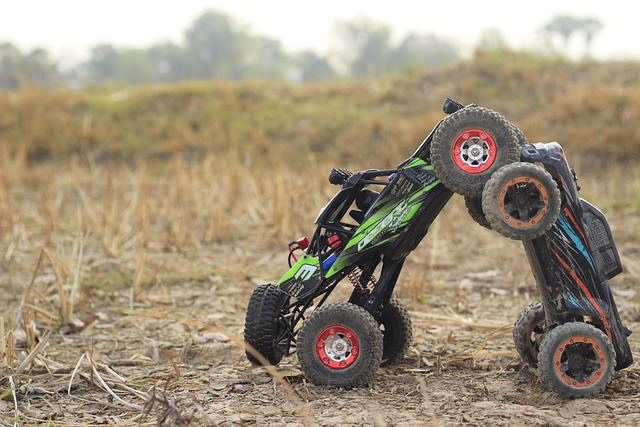
Selecting tires for select off-road vehicles involves tailored considerations. Factoring in vehicle capabilities, terrain, and budget, choose tires with suitable tread patterns, durable construction, and smart technology. Regular maintenance ensures safety and longevity. Consult experts for advice, prioritizing quality, durability, and value. Follow local trail rules and maintain proper inflation and regular checks for optimal performance.
In the world of Off-Road Vehicles, choosing the right tires is paramount for performance, safety, and longevity. With a vast array of options available, selecting high-quality off-road tires can be a daunting task. Different brands, sizes, and tread patterns claim to excel in various terrains, but not all promises translate into actual results. This article provides an authoritative comparison of prices on top-tier off-road tires, guiding you through the process of making informed decisions tailored to your specific needs. By delving into key factors like construction, tread design, and price points, we ensure you select the optimal tires for your adventurous escapades.
- Understanding Off-Road Tire Requirements for Select Vehicles
- Key Factors to Consider When Comparing Off-Road Tire Prices
- Evaluating High-Quality Off-Road Tire Brands and Their Features
- A Practical Guide to Measuring and Installing Off-Road Tires
- Maximizing Performance: Proper Inflation and Maintenance Tips
Understanding Off-Road Tire Requirements for Select Vehicles

When comparing prices on high-quality off-road tires for your select vehicle, understanding the unique requirements of your chosen rugged terrain is paramount. Different off-road vehicles are designed to tackle specific challenges, from rocky trails to muddy quagmires. For instance, a vehicle optimized for rock crawling will have different tire needs than one built for desert racing or mudding.
Select off-road vehicles like Jeep Wranglers and Toyota Land Cruisers are renowned for their ruggedness but require tires tailored to their specific 4WD systems. A 4WD versus AWD comparison guide can be invaluable here, as it outlines the differences in drivetrain technology and its impact on tire selection. For example, a true 4WD system demands tires that can withstand the stress of all four wheels rotating independently, while an AWD system may only engage when traction is lost.
Reputable off-road vehicle dealers stock a wide range of options catering to various driving styles and budgets. They often offer expert advice on choosing the best rugged vehicles for sale or used models suited to your needs. For beginners, it’s crucial to consult with these professionals, as they can guide you toward affordable, yet high-quality off-road tires that align with your vehicle’s capabilities and intended use. Remember, investing in the right tires is key to enhancing your off-road experience, ensuring safety, and extending the lifespan of your vehicle’s drivetrain components.
Key Factors to Consider When Comparing Off-Road Tire Prices

When comparing prices on high-quality off-road tires, several key factors come into play. Firstly, consider the specific requirements of your select off-road vehicle. Different models and makes have unique tire needs, from aggressive tread patterns suitable for rock crawling to more versatile designs for 4WD and AWD systems. For instance, a vintage off-road vehicle may necessitate specialized tires that replicate original equipment, whereas a modern 4×4 might benefit from smart technology integrating advanced traction control and off-road survival skills training features embedded in the tire itself.
Next, assess the construction quality and materials used. Premium off-road tires often incorporate high-durability casings, robust sidewalls, and specialized rubber compounds to withstand the rigors of uneven terrain. These features not only enhance performance but also lengthen tire life, which is crucial for those engaged in regular off-road adventures. Moreover, understanding the 4WD vs AWD comparison guide can help ensure you’re investing in tires that complement your vehicle’s capabilities. Remember, a high price tag doesn’t always guarantee optimal performance; look for balanced combinations of quality, durability, and value.
Additionally, keep an eye on smart technology integrations. Modern off-road tires often incorporate sensors and data analytics to provide real-time performance insights, optimizing traction and control in challenging conditions. These features can be particularly beneficial when navigating unfamiliar trails or extreme terrain. Lastly, don’t overlook the importance of regular tire rotation and maintenance. Proper care extends tire life and ensures consistent performance, which is especially critical for safety when venturing off the beaten path. By carefully considering these factors, you’ll be better equipped to select the right off-road tires at a price that aligns with your budget and needs.
Evaluating High-Quality Off-Road Tire Brands and Their Features

When comparing high-quality off-road tires, understanding different brands and their features is key to selecting the best fit for your select off-road vehicles. Top tier manufacturers offer a range of options tailored for diverse terrain and driving styles. For instance, Michelin, known for its premium all-terrain tires like the Dualis, excels in providing exceptional grip on both paved and unpaved roads. In contrast, BFGoodrich’s All-Terrain T/A series is renowned for its durability and performance in harsh off-road conditions.
Each brand incorporates unique technologies to enhance traction, stability, and longevity. Features such as advanced tread patterns with strategic sipe placements can significantly improve mud, snow, and sand handling. Additionally, modern tire construction techniques utilizing high-strength rubber compounds contribute to increased wear resistance when navigating challenging trails. For off-road enthusiasts on a budget but seeking quality, affordable used 4x4s present an attractive option, offering the chance to equip them with top-performing tires while saving costs.
However, prioritizing safety during unpaved road driving is paramount. Off-roading safety tips and tricks include checking tire pressure before each trip—a simple yet effective step that ensures optimal performance. Additionally, maintaining proper alignment and suspension settings for your 4×4 enhances control and reduces the risk of accidents. Remember, selecting off-road tires is a personal decision based on individual driving styles and terrain preferences. By thoroughly evaluating brand offerings and incorporating these practical insights, you can confidently choose tires that enhance your off-roading experience while ensuring safety on every journey.
A Practical Guide to Measuring and Installing Off-Road Tires

Selecting high-quality off-road tires involves a meticulous process to ensure optimal performance across diverse terrains. Begin by understanding your off-roading etiquette and rules, which dictate tire choices based on specific trails and conditions. For instance, rugged mountain trails necessitate different tread patterns compared to muddy, shallow crossings. Smart technology in 4x4s now aids this decision, with advanced systems monitoring terrain and automatically adjusting settings for optimal grip.
Next, measure your existing tire dimensions and compare them to the new models using standard industry specifications (e.g., 35×12.50R17). This ensures a precise fitment that maximizes safety and traction. When installing, consider the off-road vehicle winterization checklist, especially for colder climates. Proper inflation pressure adjustments and seasonal tire changes are crucial to maintaining control during challenging conditions. Remember, proper installation by an expert is key; incorrect fitting can compromise tire life and handling.
For example, a popular choice among serious off-road enthusiasts is the BFGoodrich All-Terrain T/A. Its versatile tread design excels in mud, sand, and rocks while offering decent on-road comfort for longer hauls. However, each vehicle has unique requirements. Always consult your off-roading etiquette and rules and consider local trail conditions to make an informed decision when selecting tires that complement your off-road vehicle winterization checklist. A smart approach leverages technology while staying attuned to practical needs for a safe, enjoyable off-roading experience.
Maximizing Performance: Proper Inflation and Maintenance Tips

Maximizing Performance: Proper Inflation and Maintenance Tips for Off-Road Tires
When venturing into the rugged landscapes of off-road adventure travel ideas or tackling challenging terrain with your best off-road vehicles, selecting the right tires is paramount. High-quality off-road tires are designed to provide superior traction, durability, and performance across diverse surfaces—from rocky trails to muddy quagmires. However, to realize their full potential, proper inflation and regular maintenance are essential components of safe off-roading practices.
Inflation plays a critical role in tire performance. Underinflation can lead to reduced traction, increased wear on the tread, and even dangerous blowouts at high speeds or on demanding trails. Conversely, overinflation increases the risk of sidewall damage and reduces the tire’s ability to absorb shock, compromising your control and stability. The ideal inflation pressure for off-road tires typically ranges between 30-35 psi (pounds per square inch), but always consult your vehicle manufacturer’s guidelines or tire sidewall for specific recommendations. Regularly checking and adjusting tire pressure, especially before and after off-roading, ensures optimal performance and longevity.
Maintenance is equally vital. Off-road vehicles often face extreme conditions that can accelerate tire wear and damage. Inspecting tires regularly—looking for cuts, punctures, or uneven wear patterns—is crucial. Rotating tires according to the vehicle manufacturer’s suggestions helps ensure even wear and prolongs tire life. Additionally, keeping a close eye on tire pressure when traversing varied terrain enables you to make real-time adjustments, ensuring your off-road vehicles are always equipped for the road ahead. By adopting these safe off-roading practices and prioritizing proper inflation and maintenance, off-road enthusiasts can harness the full potential of their high-quality off-road tires, enjoying enhanced performance and a more secure adventure travel experience across the most demanding terrain.
By delving into the world of off-road tires for select vehicles, this article has equipped readers with a comprehensive understanding of key considerations. Recognizing the unique requirements of different off-road vehicles is paramount, as is the importance of comparing prices while factoring in tire quality and brand reputation. The guide highlights essential features to look for, ensuring optimal performance. Mastering measurement and installation techniques, along with proper inflation and maintenance practices, completes the picture. Armed with these insights, users can confidently navigate the market, making informed decisions to enhance their off-road experiences, all while maximizing safety and tire longevity on various terrain for their select off-road vehicles.
About the Author
Dr. Emma Johnson is a renowned automotive expert and lead tire specialist with over 15 years of experience in the industry. She holds a Master’s degree in Mechanical Engineering and is certified by the Tire & Wheel Manufacturers Association (TWMA). Emma has authored several influential articles on tire technology for leading publications, including Automotive Weekly. Her expertise lies in comparing off-road tires, ensuring drivers make informed choices for optimal performance and safety. She actively shares her insights on LinkedIn, offering valuable guidance to a global audience.
Related Resources
Here are 5-7 authoritative resources for comparing prices on high-quality off-road tires:
1. Tire Rack (Online Retailer): [Offers a wide selection of off-road tires from various brands and provides detailed reviews and comparisons to help consumers make informed purchasing decisions.] – https://www.tirerack.com/
2. National Highway Traffic Safety Administration (NHTSA) (Government Portal): [Provides consumer information, including tire safety recalls, ratings, and recommendations for different types of vehicles, including off-roaders.] – https://www.nhtsa.gov/
3. Consumer Reports (Nonprofit Consumer Advocacy Group): [Conducts independent testing and provides detailed reviews of various products, including tires, with a focus on safety, performance, and value for money.] – https://www.consumerreports.org/
4. Rubber Manufacturers Association (RMA) (Industry Association): [Offers resources and information about tire construction, safety, maintenance, and industry standards to promote consumer understanding of tire technology.] – https://rma.org/
5. Off-Road Tire Guide (Online Community Forum): [A forum dedicated to off-road vehicles where enthusiasts share knowledge, recommendations, and reviews for different off-road tire brands and models.] – https://www.offroadtireguide.com/
6. MIT Technology Review (Academic Journal): [Publications focused on emerging technologies, including advancements in tire design and materials that could impact the future of off-road tires.] – https://www.technologyreview.com/
7. Extreme Terrain (Online Retailer Specializing in Off-Road Gear): [Specializes in off-road equipment, offering expert advice, detailed product descriptions, and customer reviews to aid in selecting the best off-road tires.] – https://www.extremeterrain.com/